


Marriage Pact
Annual matching event
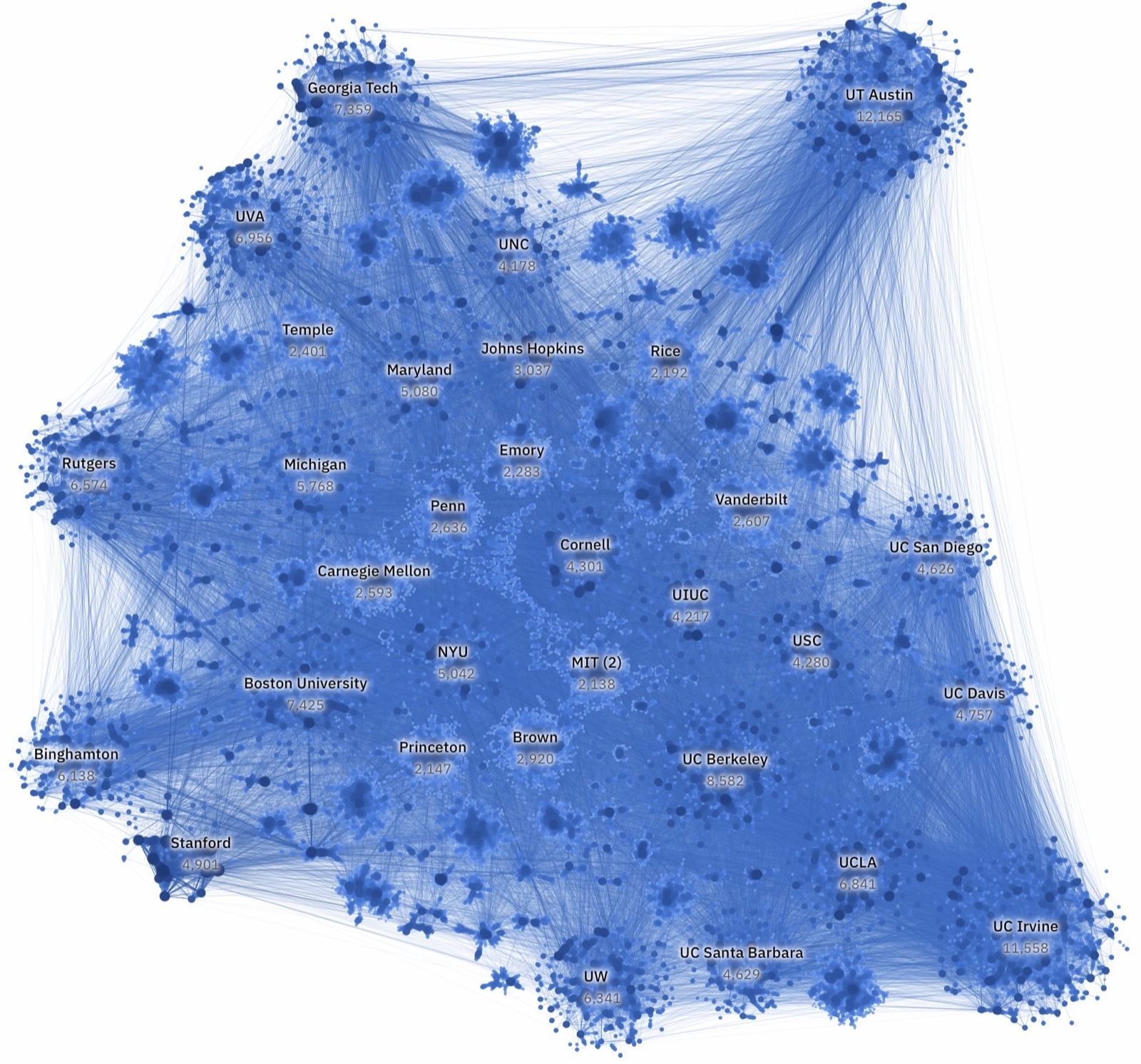
100+ colleges, 750,000+ participants
With the team at Marriage Pact
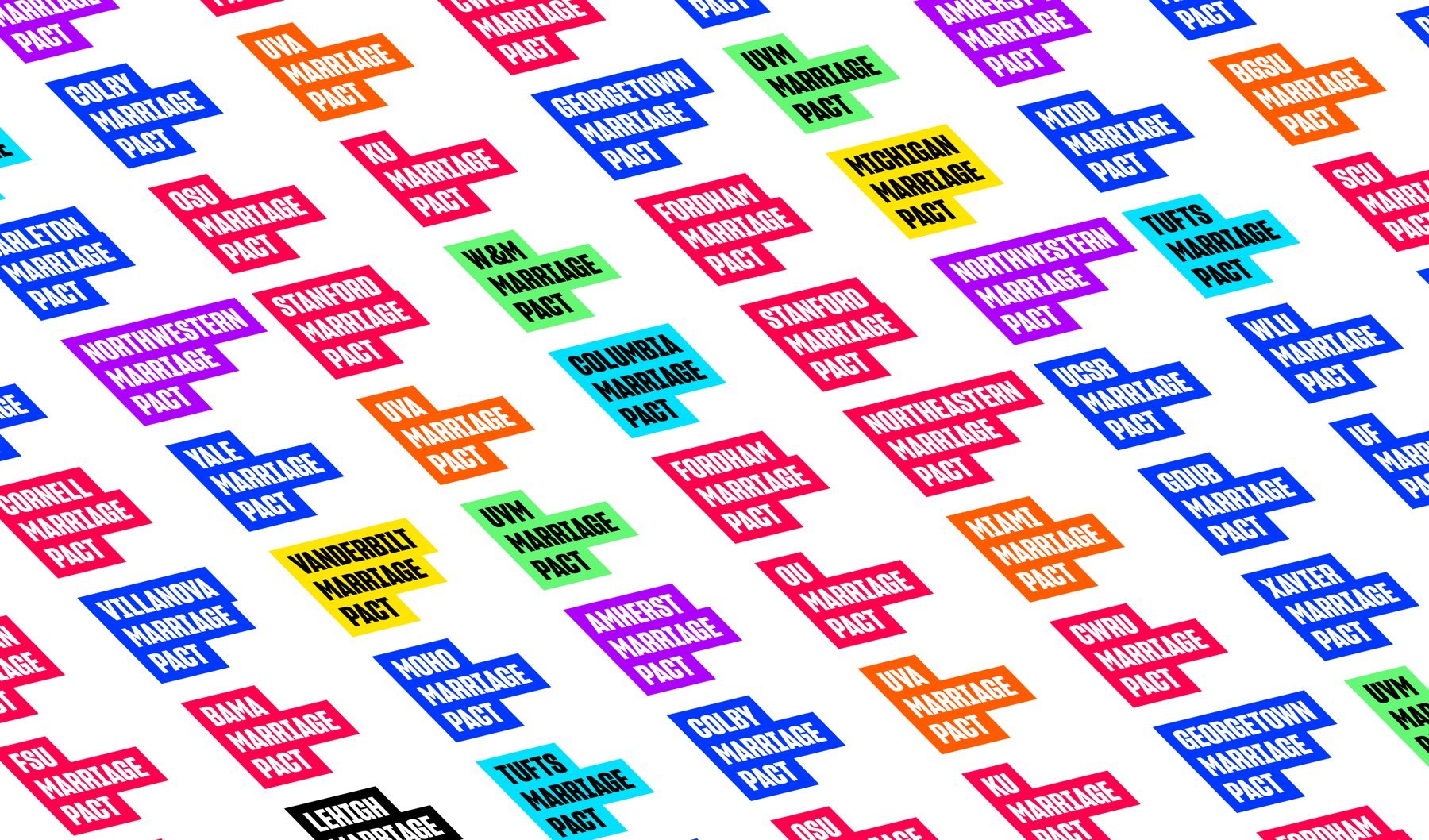
Have you ever heard of the idea of a marriage pact? It’s where you sit down with someone, perhaps your best friend in high school, and say, “Look... if we’re both still single by the time we’re 30... maybe we make a pact to just marry each other?”
These days, at top colleges across the country, a questionnaire goes out across campus for one week of the year. Half the school signs up. Then, on a Monday night at 10pm, you’ll be huddled in your dorm room with your friends, waiting for an email. Slowly but surely, you’ll start hearing screaming through your cinderblock walls, up and down your dorm, and you know: the matches are coming out. One by one, your friends start screaming, too—“who did you get? who did you get? who did you get!” you implore.
The Marriage Pact uses an algorithm to pair each student with their optimal marital backup plan, out of everyone on campus. One person, one name, no photos, no swiping. 29% of matches meet up in person (vs 1–2% industry standard). And if you meet up, there’s a 1 in 9 chance you’ll still be together a year later.
It began as a class project in 2017, as part of a Stanford market design class. It has now launched at 112 colleges, and signed up 3/4 of a million people. Over time, it has steadily become the largest college tradition that’s not football. At 25 colleges, students are more likely to do the Marriage Pact, during their four years there, than to graduate in four years.
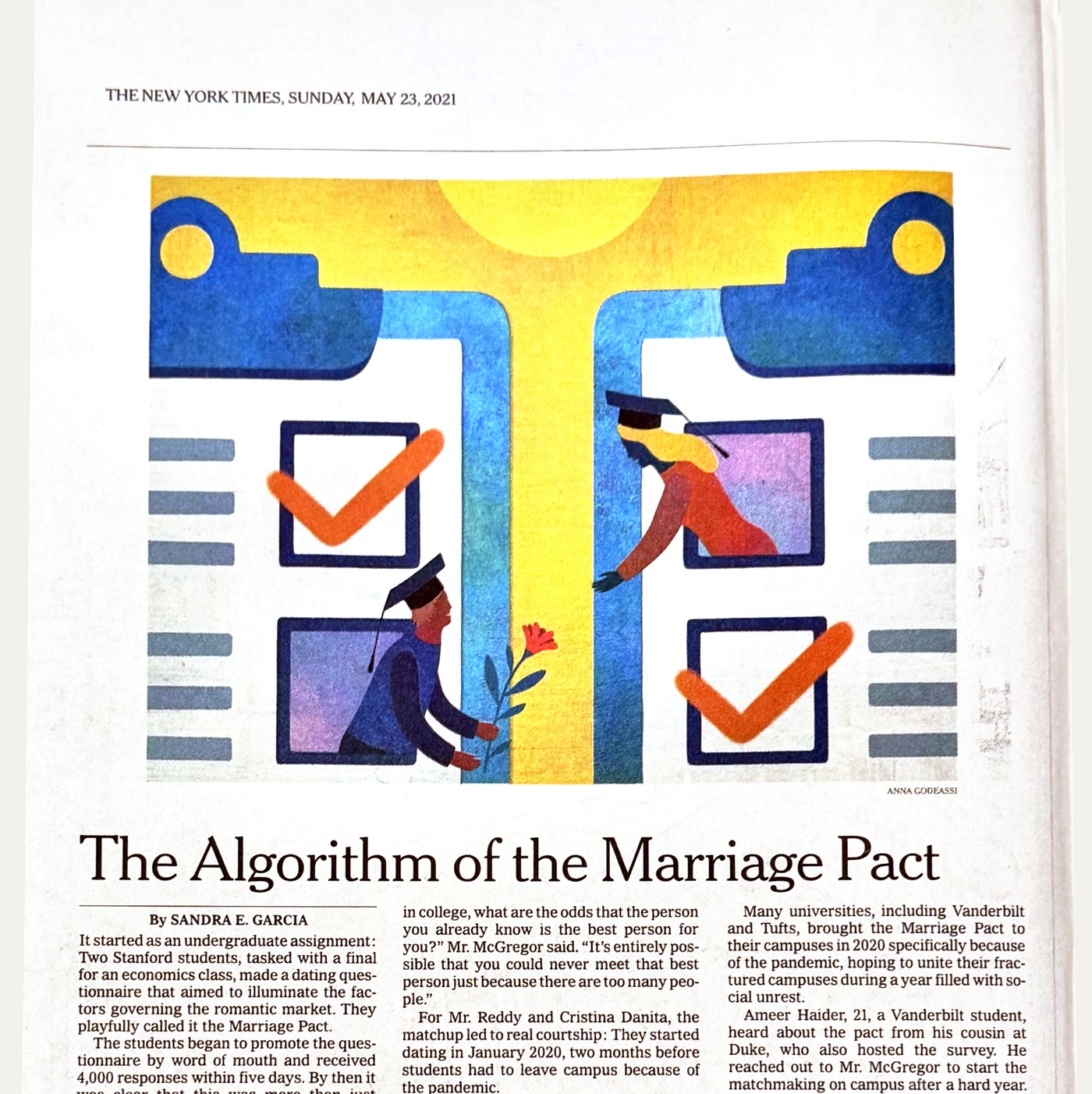
One of the things that makes the Marriage Pact special is an air of mystique. It is not a centralized thing that's just being pushed on us. It's something that we take on as students.
"I was like, 'There's literally no way,'" Russell said. She opened the email in Sawyer alongside many of her friends, who looked at their matches together. "Everyone was talking about it," she added. "It was like Christmas morning."
I’ve never seen something that’s not football impact this school in this way.
Of course, we can't discount the most obvious answer — it's fun. The questionnaire is low risk and high reward. At worst, you get a good laugh with your friends. But at best, you might meet your match made in heaven (or in this case, Palo Alto, Calif.).
My match and I were last semester's eighth best match on campus. Obviously, I thought we were soulmates. … He found out I liked to write and immediately encouraged me to join the Cynic. … Instead of falling head over heels in love with my marriage pact match, I fell for writing and for myself.
As a gay youth in Texas and North Carolina, dating apps have been the primary way I've met potential suitors. … The Marriage Pact presents a refreshing departure from superficial formats of other apps, blindly pairing us with our personality compatible soulmate.
Like doing the polar plunge or going on First-Year Trips … you participate because you like traditions, and there are lots of traditions on this campus.
That's why I was surprised to learn more about myself and what I was open to in relationships through the survey. … As I answered these prompts, I slowly started to paint a picture of my current self mirrored onto a potential partner.
It felt like Marriage Pact would be a good way to meet new people in a low stress way. … I want people to understand that there's no expectations for your Marriage Pact. It's just about having fun.
Honestly, it felt like a community thing. Everyone was doing it.
We did it for fun, and if something came out of it—great. But it wasn't the reason we filled it out. I also think a lot of people filled it out—and that's kind of the point of the Marriage Pact—is people fill it out because other people are filling it out. It's supposed to be this campus experience.
I met him at orientation, and when I got my BC Marriage Pact match, I didn't think anything would come of it. But he reached out to me, and actually, I guess the algorithm is pretty good. … We were very compatible and ended up talking for three hours.
Junior, Olivia Dupre, was matched with her current boyfriend Ethan Brown through the pact. A walking success story, the pair have been dating for almost two years all due to the quiz. "[I] probably would have never met him if I didn't get him as my Marriage Pact [match]," Dupre said.
I have heard a lot of feedback. My [direct messages] are often full. There's been some successful ones. … I have heard quite a handful of stories of people who reached out to their marriage pact and ended up hooking up or dating them. I would say I know at least 10 concrete couples that have met through Marriage Pact.
[But] Marriage Pact has the more achievable aim of finding you someone to be your "perfect backup plan." The difference in underlying objective seems inconsequential, but it wraps Marriage Pact in a more realistic air that, in my experience, made completing the survey feel just slightly more worthwhile.
The idea that it's a cool, fun side quest initially drew me in. But then, after doing it for a bit, [you] see how impactful it can be.
It's kind of refreshing to see something like this where you get to meet someone that you potentially could've spent four years at Princeton and never crossed paths with.
Part of me definitely wonders what's out there just because I haven't really explored the Elon dating scene to its fullest. You never know who is out there or who you share similar interests with.
The nice thing about the Marriage Pact is that it is not binding. It is a great way to meet new people that you would not have necessarily met otherwise. … The ND Marriage Pact offered a low-stakes way for people to meet and talk about things like family goals or professional goals right from the get-go, without fear, because it was all in the survey.
Marriage Pact spread by word of mouth, and became a college tradition long before we ever made a viral social media post about it. Most discussion happens between friends in group chats, dining halls, classes and dorm rooms. Online it happened originally in Facebook meme pages and then on Fizz. But every once in a while, glimpses of the experience will break containment and go viral on the “open internet”. In our first year, we accrued 40 million views, and still more come from people telling their own stories. Here are a few of them.
Missed Connections Photo Booth
Matchmaking photo booth
University Place, New York
With the teams at Marriage Pact, Faceplace, and Meet Cutes NYC
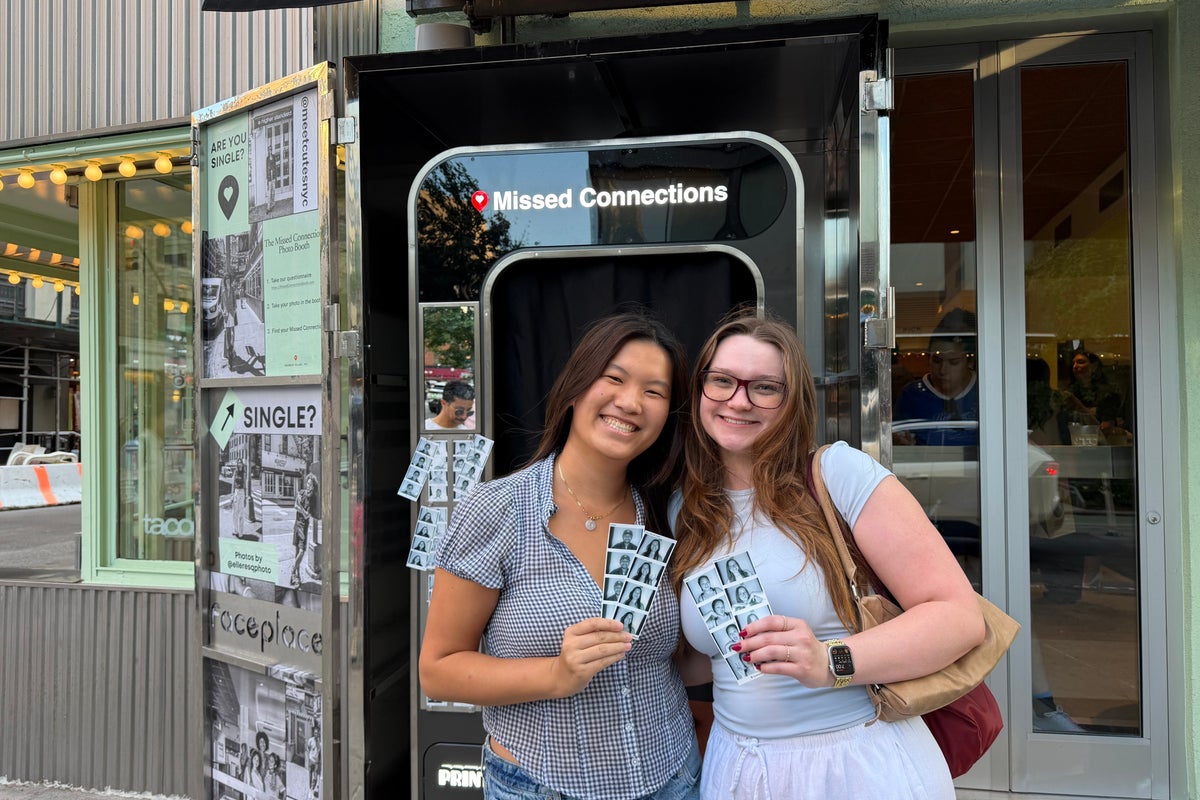
A photo booth on a New York City street corner prints something unexpected: step inside and take your pictures, and it’ll print the photos of your best match. It builds on our matchmaking technology from Matchbox: Twenty-six questions, ten dollars, and three photos later, you have a first name and a dream.
Built in partnership with Meet Cutes NYC and Faceplace photo booths, the first booth opened in July 2026. It matched 10,000 people in its first 52 days, got 30 million views on tiktok, and was covered by Reuters, the Associated Press, CBS Evening News, and the Washington Post. One couple who found each other was interviewed live on ABC.
Scroll down ☟ to see some of the videos people have made, describing the experience in their own words and showing it through their own eyes.

we made a photo booth that matches strangers. We're calling it the "Missed Connections" photo booth.
take our questionnaire, then take your photo in the booth. You'll get two photo strips: (1) yours, plus (2) the one of your Missed Connection.
I got my fiancée :)


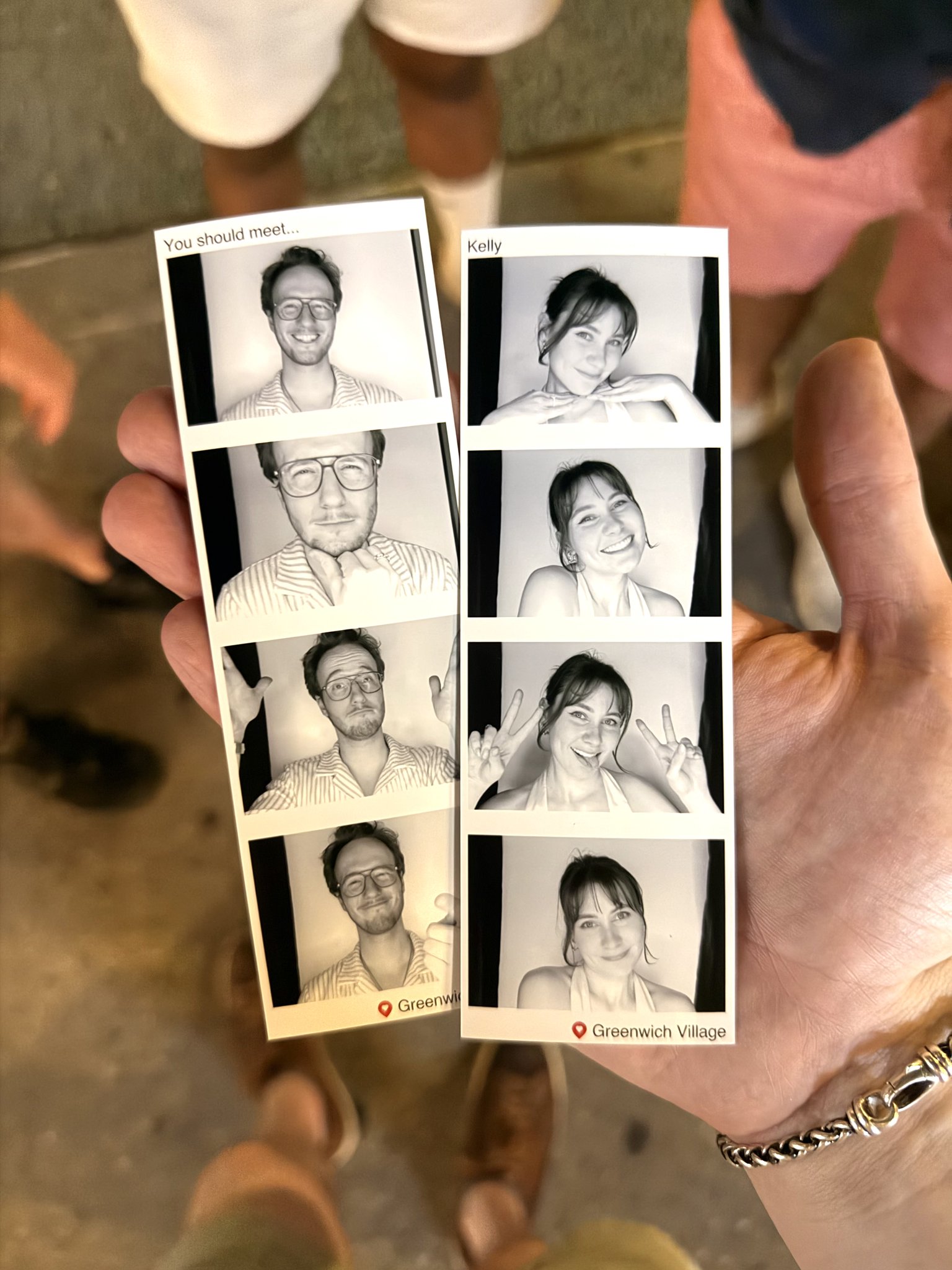
The booth gives anyone a platform to tell their own story. In the booth’s first 30 days, our posts drew 8.6 million organic views, and inspired 20 million more as strangers shared their own experiences.
Matchbox
At any function, who is the one person you should meet before you leave?
With the team at Marriage Pact

In any room you walk into, there’s someone you should meet. Matchbox helps you find them. Hosts use Matchbox to match everyone in the room: they pick the questions, set time and the place, and the algorithm does the rest, ultimately revealing everyone’s match at the exact same time.
This was inspired by a common request we’ve received over the years: to let people run their own “mini marriage pacts”—for school clubs, professional conferences, friend hangouts, and even at weddings. It has earned a life of its own, having now matched 100,000s of people in 100 countries.
It’s earned 60 million views, and parties have stretched from private member’s clubs in New York to hotels in Pakistan, and from restaurants in Buenos Aires to the beaches of Tel Aviv. Matchbox parties have been featured on the TODAY show, CNN, Reuters, and the TED stage.
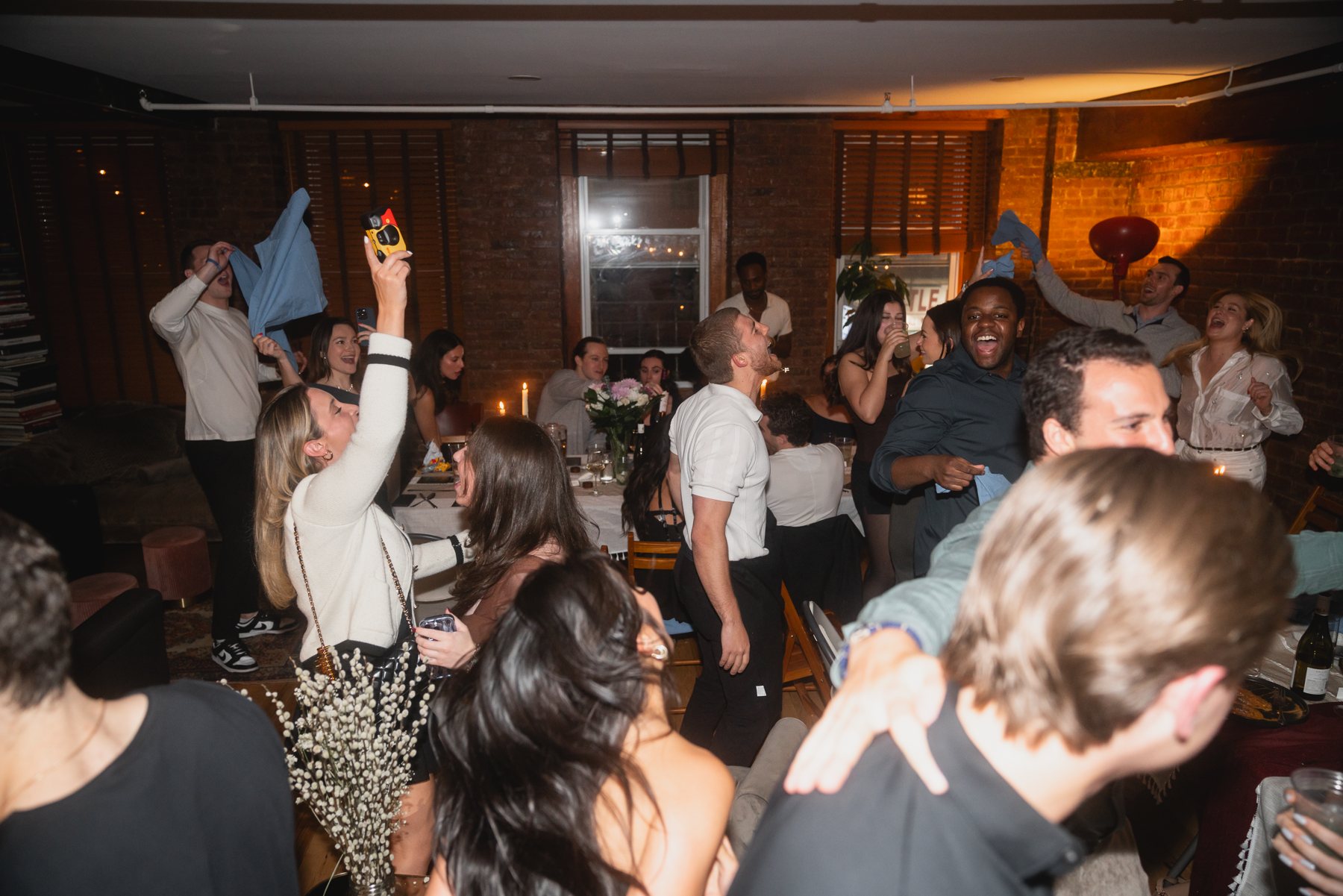
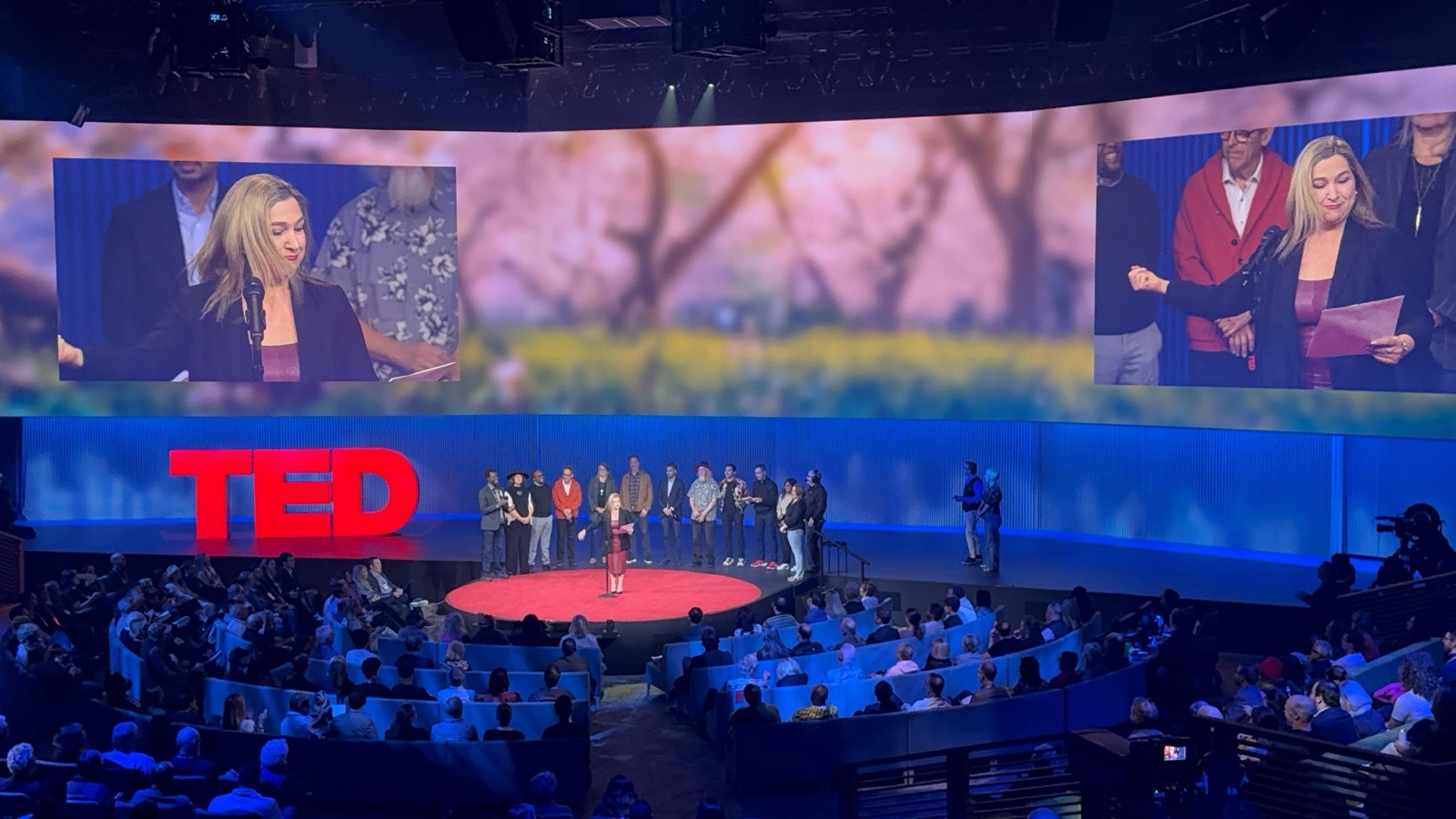
Matchbox is what we used to develop our playbook to consistently, systematically go viral. In the first two years, we drew 60 million views across Instagram and TikTok.
Checkmate
iOS app, Website, E-Mail and SMS
With the team at Marriage Pact
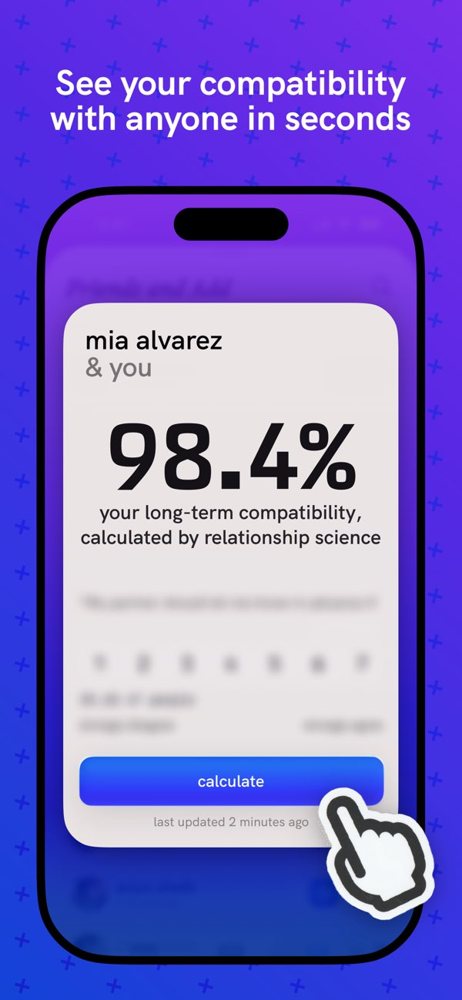
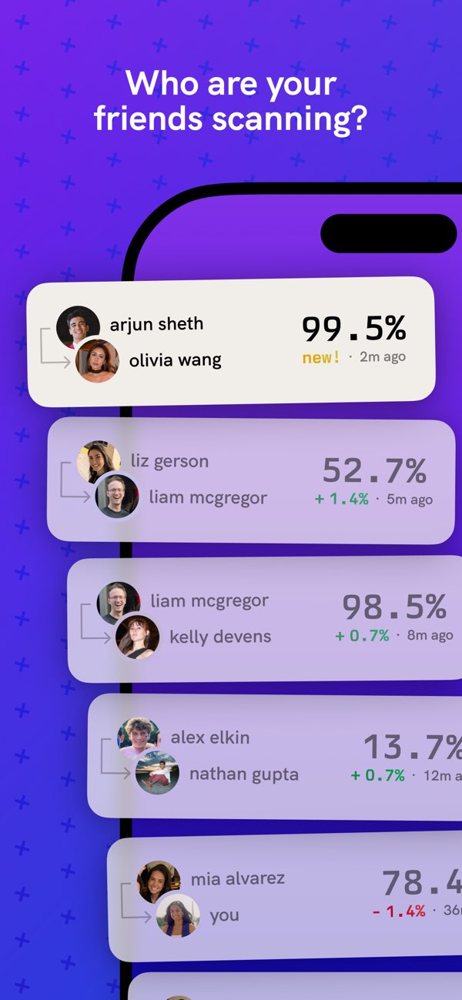
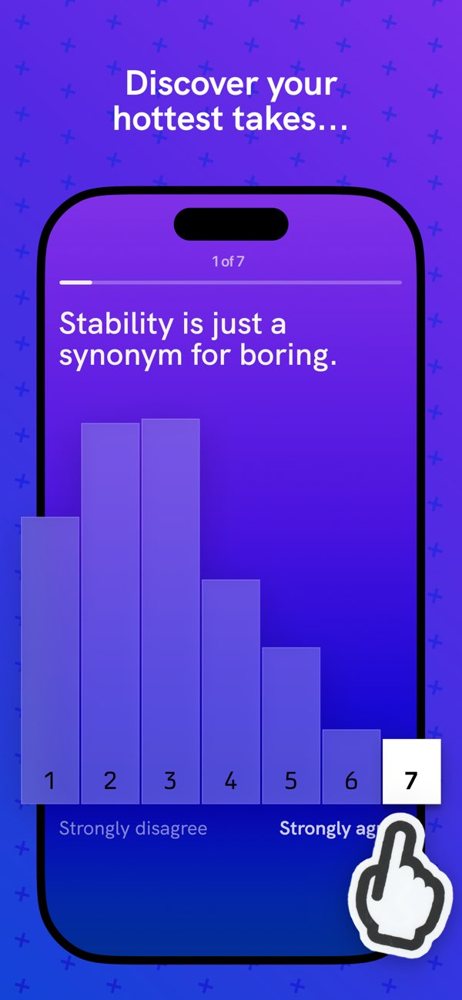
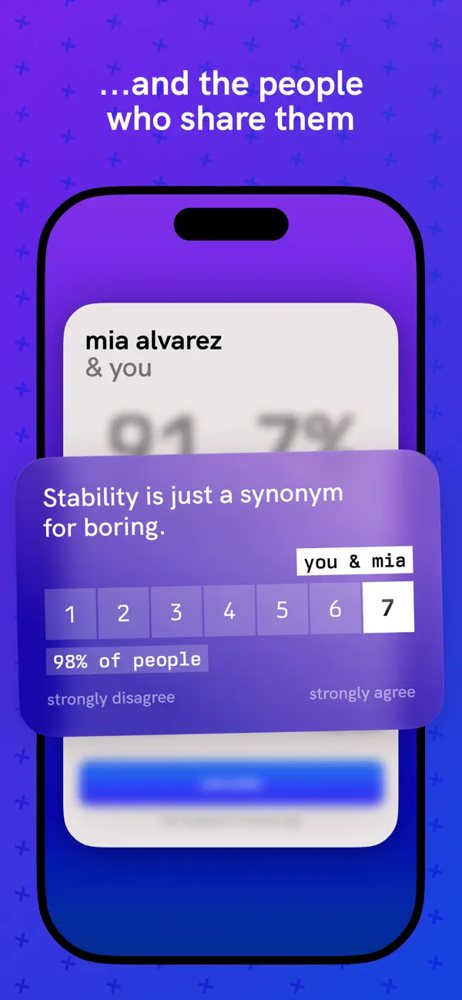
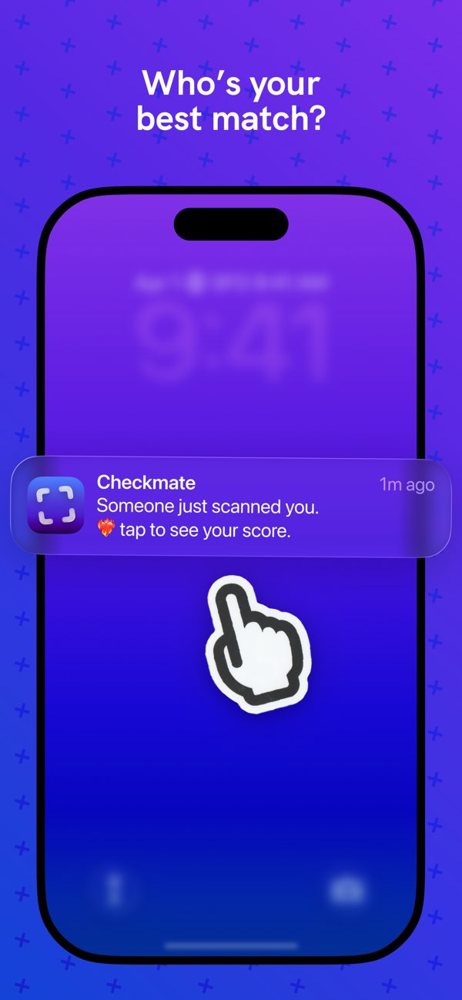
Checkmate lets you see your compatibility with anyone in seconds. Scan your friend, and see the long-term odds for the two of you, drawn from nearly a decade of relationship science research. People add all of their friends: “it’s on sight” one student put it, of the social norms that developed around the app. “If I recognize the face or the name, I add them.”
It went viral across colleges in spring of 2023. PayPal was famous for growing 7% per day. Checkmate grew 15% day over day.
A new and improved version, rolling out across schools in autumn 2026, adds relationship reports, your top 10 at your school, and more.
Social Hacking 101
24 lectures
I used to think a good idea could come from anywhere. But when it comes to how ideas go viral, there is a particular art and a science.
Across 24 lectures, this class covers the foundational effects that govern our social world, and how things go viral as a result.
The Question Lab
Internal research tool
Marriage Pact
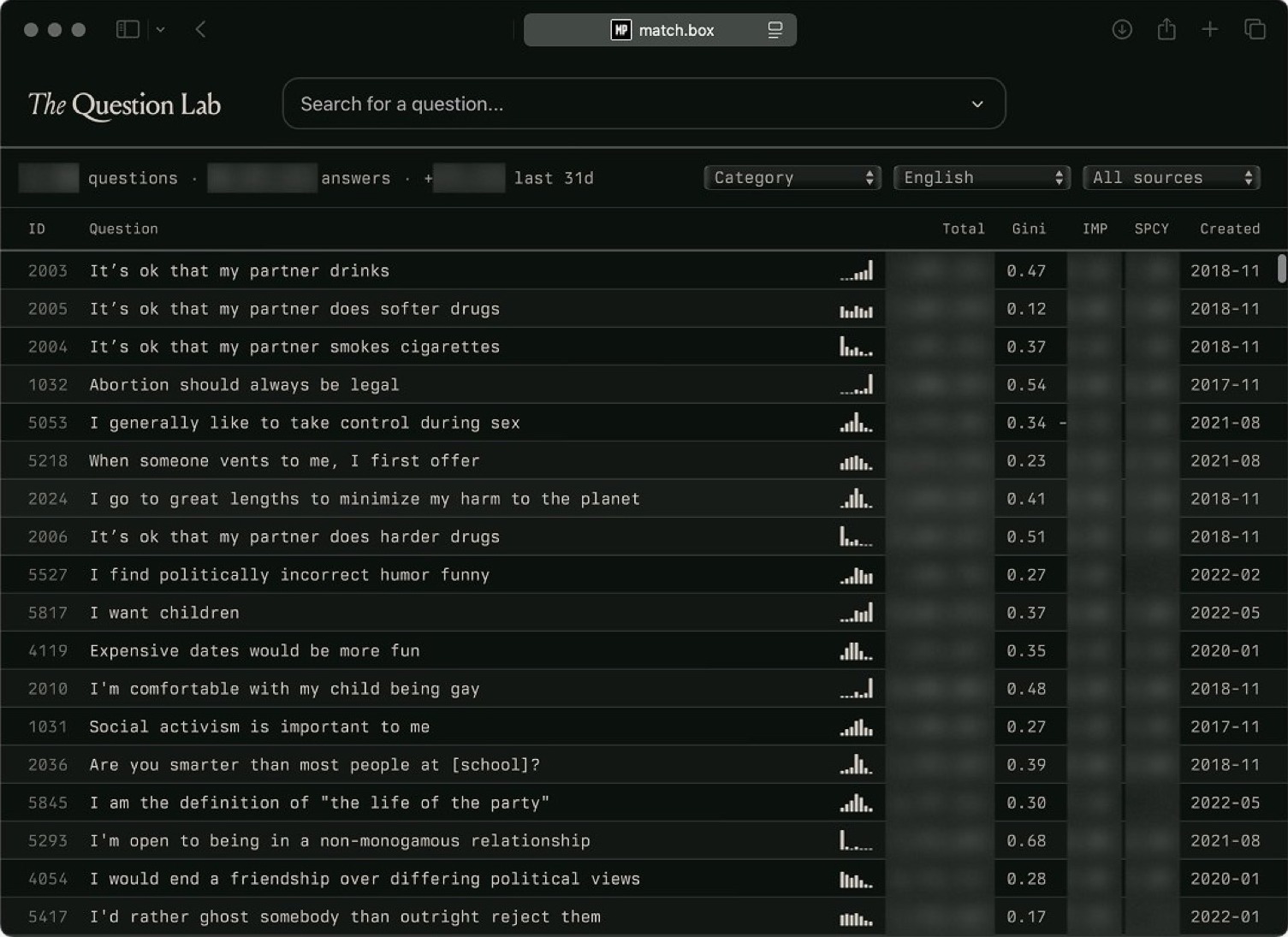
What does it look like to do relationship science? Our efforts reflect the most ambitious, and largest-ever, study of long-term relationships.
The Question Lab is an internal research tool I built for our Relationship Science team. It helps us explore and make sense of 100 million anonymized answers to carefully-written questions about human values, worldviews and beliefs. They come from a anonymized submissions across the spectrum of experiences we’ve created.
In a breakthrough for relationship science research, we are also able to—for the first time ever—explore the connection between each question and real-world relationships that unfold over the 6-18 months following the matching being made.
The Lab helps our relationship scientists understand what ingredients are necessary to spark meaningful relationships, so we can create more of them.
FF003D
Limited edition hardcover book, handbound in the United States
With Preston Kramer and the Design team at Marriage Pact
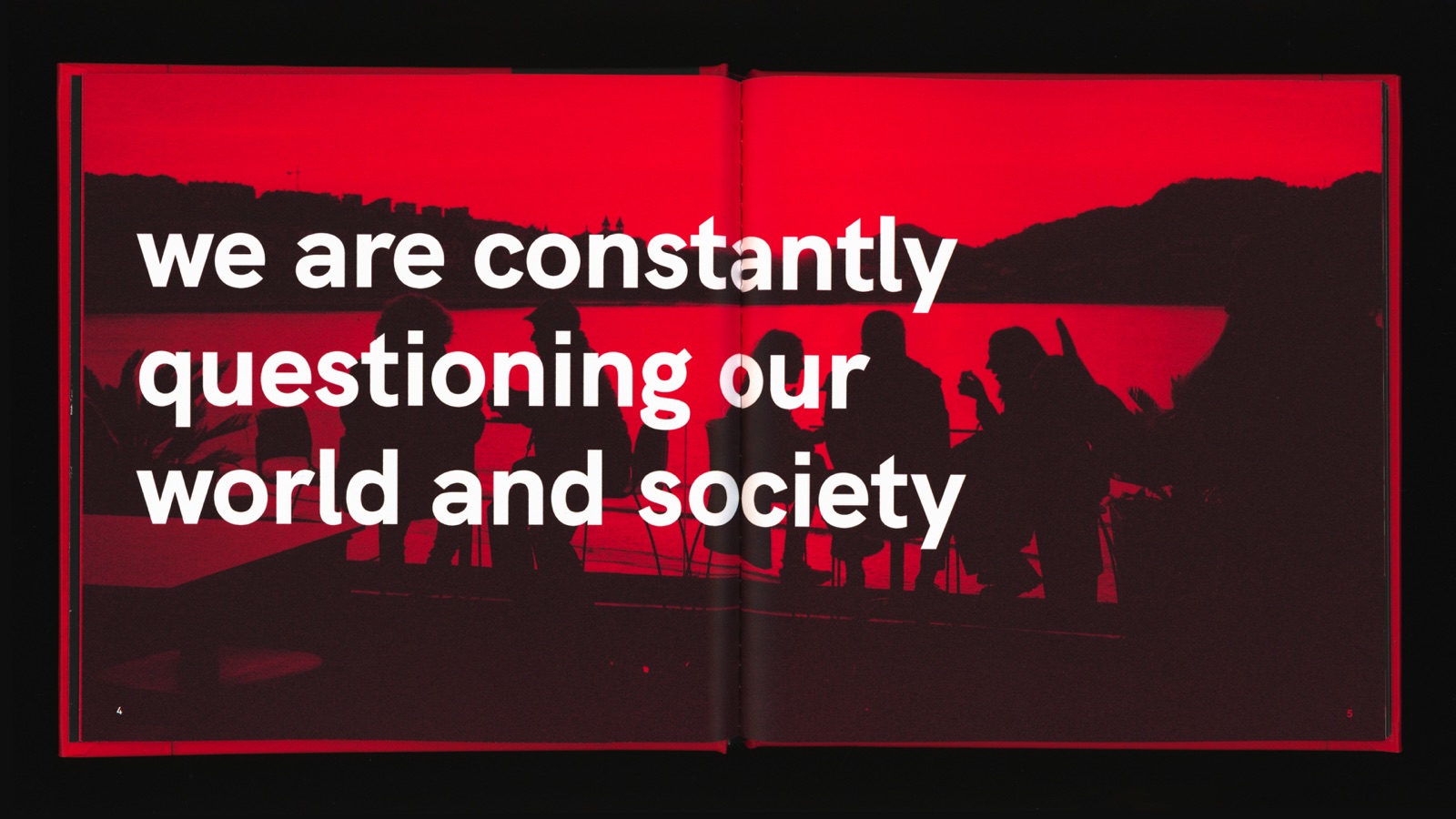
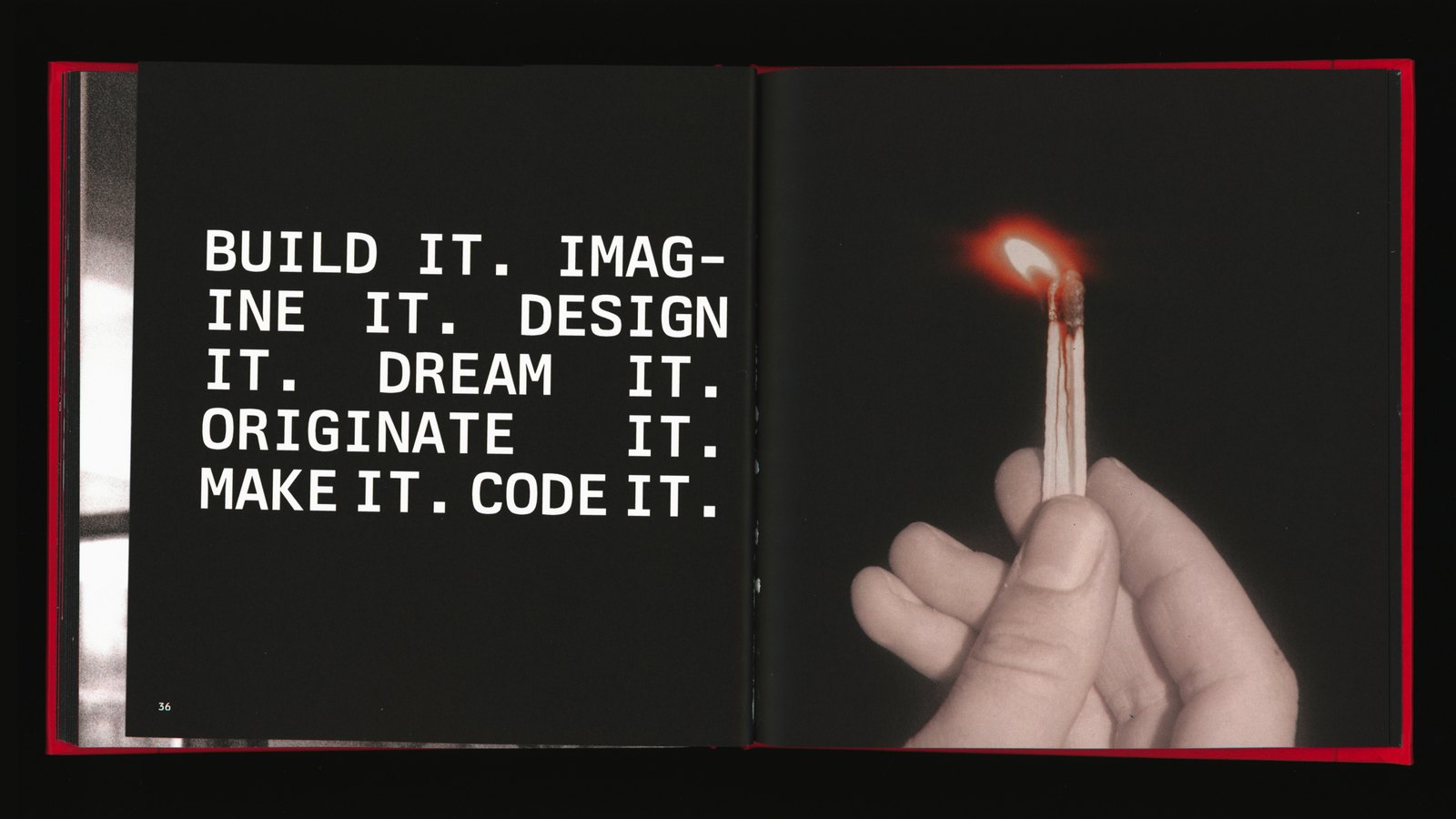
FF003D takes its name from the hex code of Marriage Pact’s red. It is a book about why our team members choose to work on the Marriage Pact. It contains quotes from each team member, set in constructivist collaged layouts with original film photography.
Inspired by Facebook’s screen-printed Little Red Book and McLuhan’s The Medium is the Message, it was printed in a small run, handbound, and given to every team member and each investor. It is not for sale.

Heart to Heart
Limited edition card game
With Preston Kramer, Joy Zheng, Ömercan Erol, Katherine Belong, Elizabeth Gerson, and the team at Marriage Pact

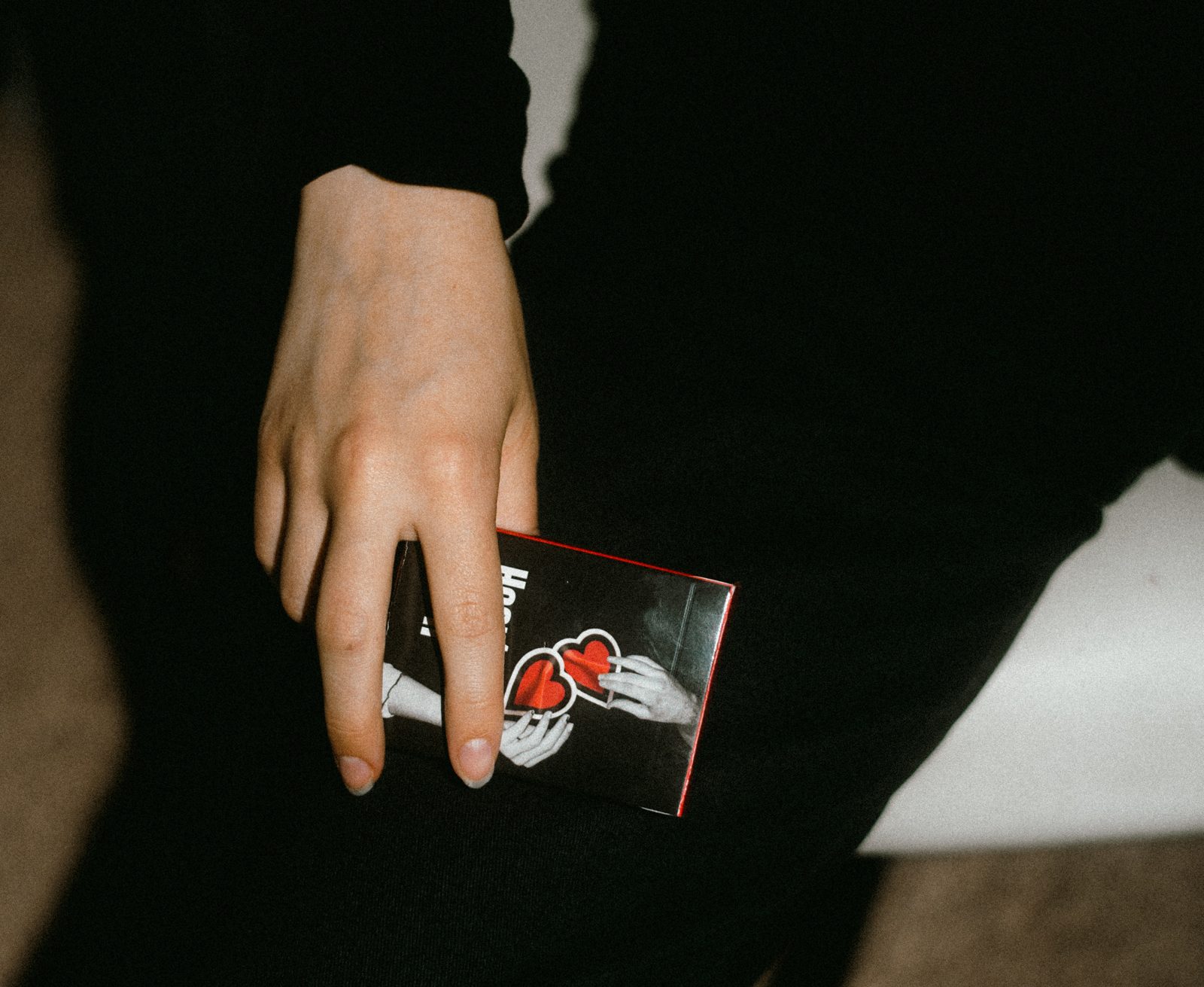
Heart to Heart is a deck of questions designed to uncover the deepest parts of who you are in the context of your relationships. Marriage Pact’s relationship science team made it to help people get closer to their friends.
Each turn, one player draws a card and thinks of their answer on a seven-point scale—without saying it, and everyone else guesses. The closer everyone else’s guess, the more points they get. It follows an order that mirrors the course of a romance, getting deeper as you play on. It plays solo, one on one, in a circle, or pair against pair.It was created as a limited edition, printed in a distinctive black and red box—small enough to bring out to dinner or keep in your purse.


Dialog
Questions about your values, E-mail
With the team at Marriage Pact
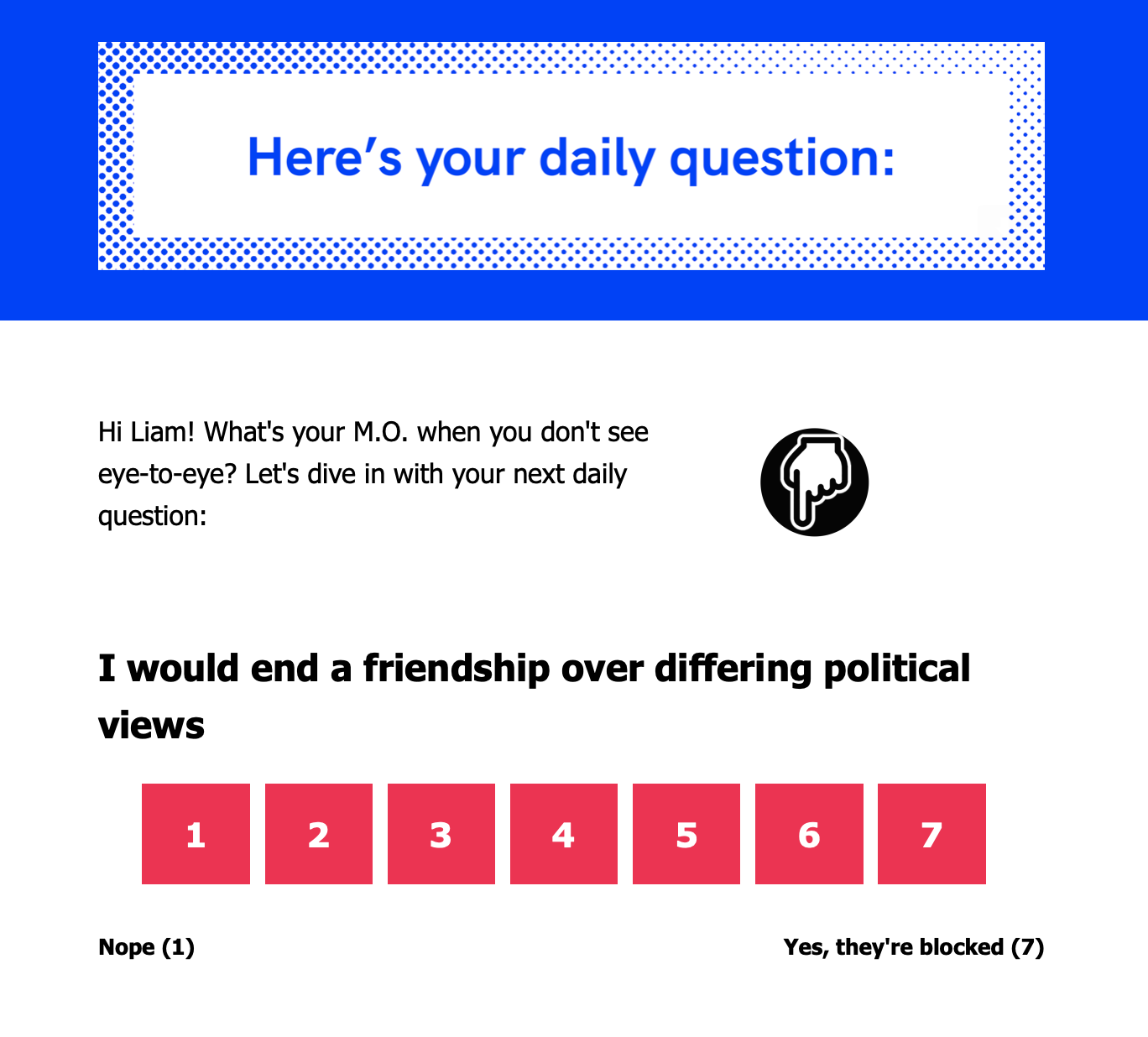
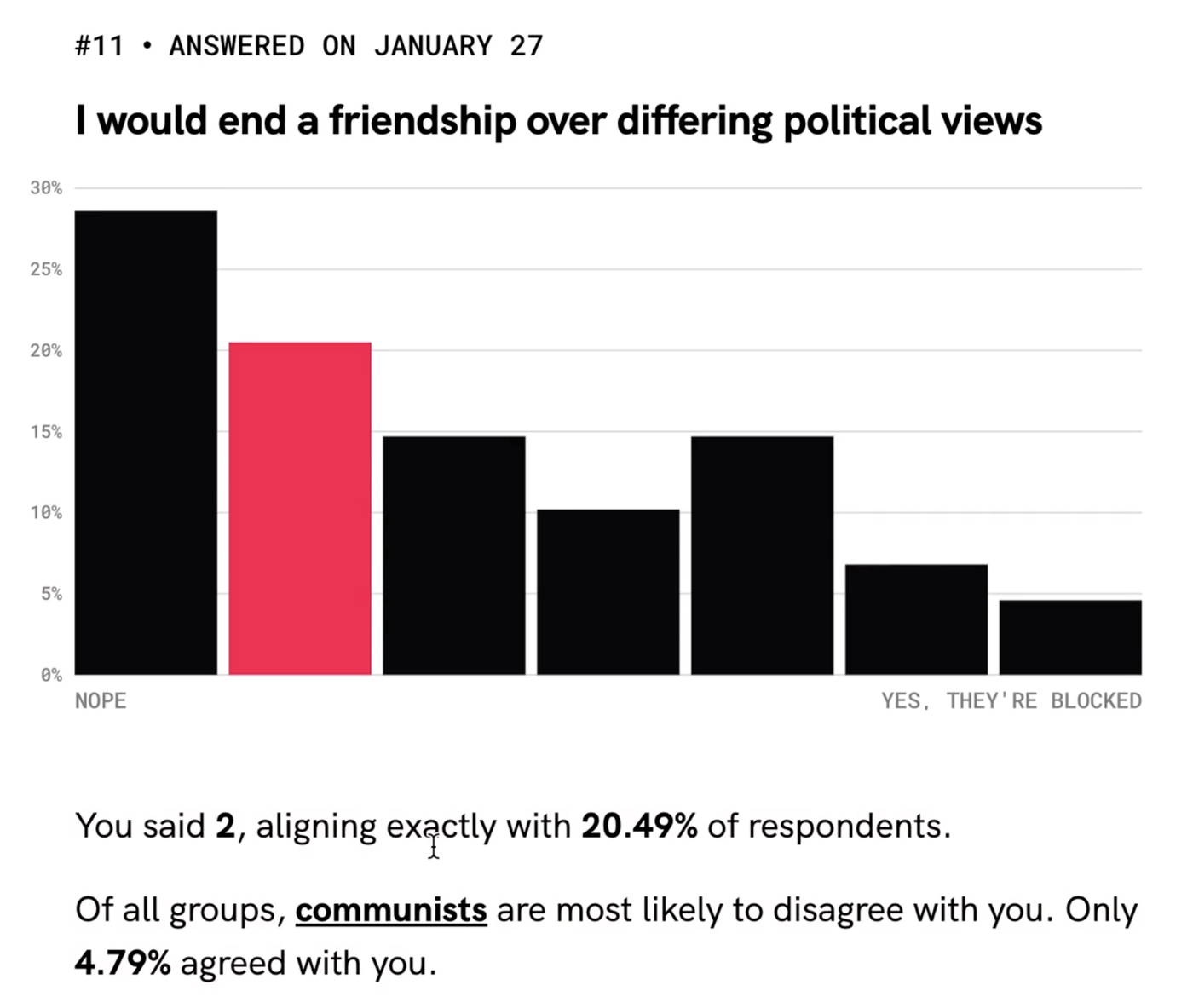
Dialog asks you one Marriage Pact question each day, and shows you how you compare to everyone else. It was built in January 2022 as the scrappiest experiment we felt comfortable releasing—an email app—to test one thing: whether introspection alone, with no social or dating features, could bring people back every day.
It could: our experiment saw 52% d30 retention, 70% DAU/WAU and 57% DAU/MAU after a couple months, despite no social or dating features—and even a few outages. It raised Marriage Pact’s seed round in eight days.
Microsoft the Musical
Eight-minute musical film
With Trip Master, Swetha Prabakaran, Joshua Yang, Peter Yang, Stephen Hitchcock, +150 others
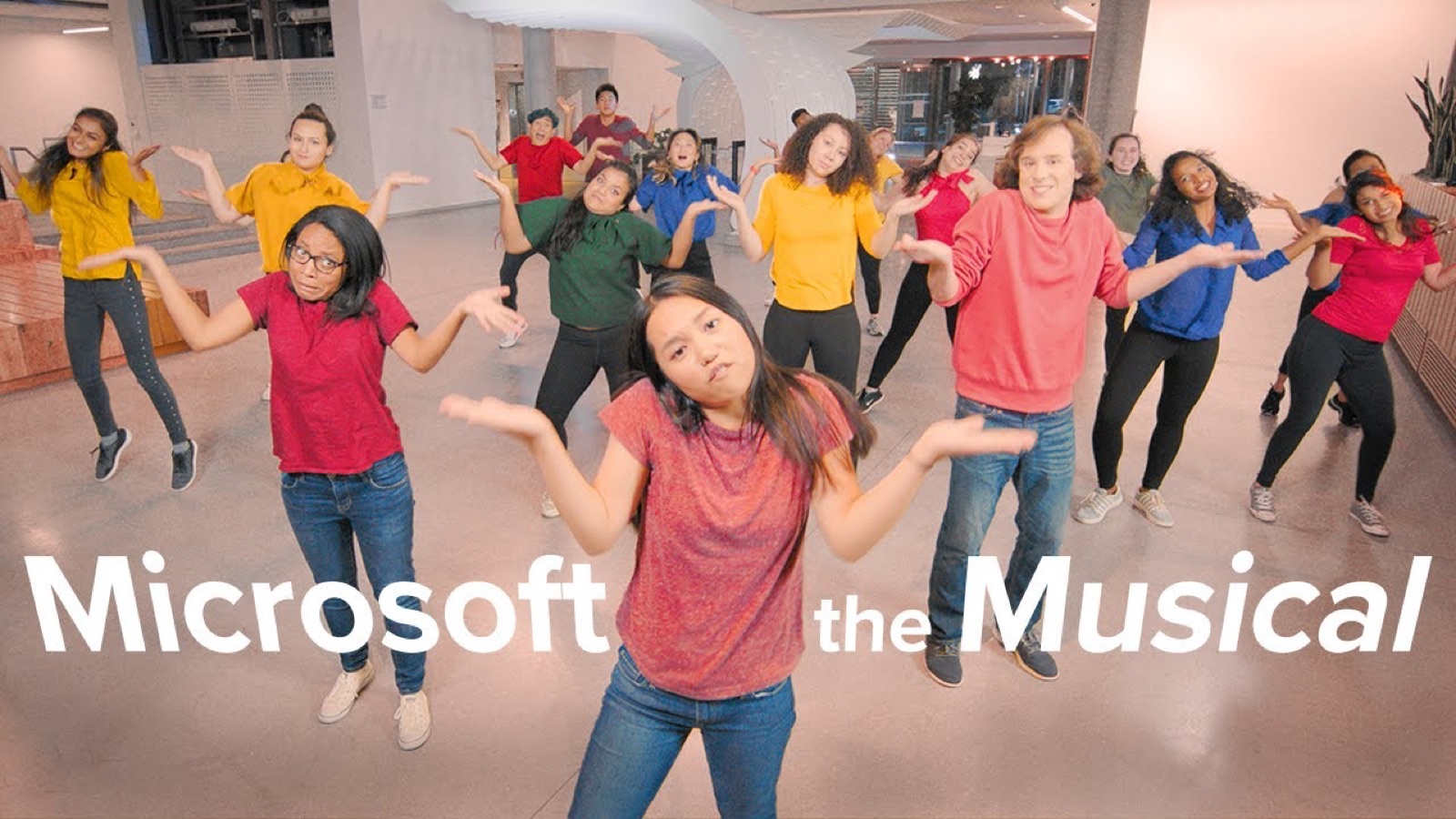
In the summer of 2019, I really wanted to make a Tony Awards-style opening number. So, during my data science internship at Microsoft, I gathered 150 interns and employees from across the company to make one about Microsoft. We celebrated and satyrized everything from Windows Phone to Clippy.
It was posted on 6 September 2019. Satya Nadella celebrated it, and it was covered by the usual tech publications like The Verge, GeekWire, Gizmodo—but also publications as far afield as Broadway World. My return offer came with a message: I trust you can do the data science. If you can get people from twenty teams at Microsoft to come together mornings, nights and weekends—you can move mountains, and we want you here.
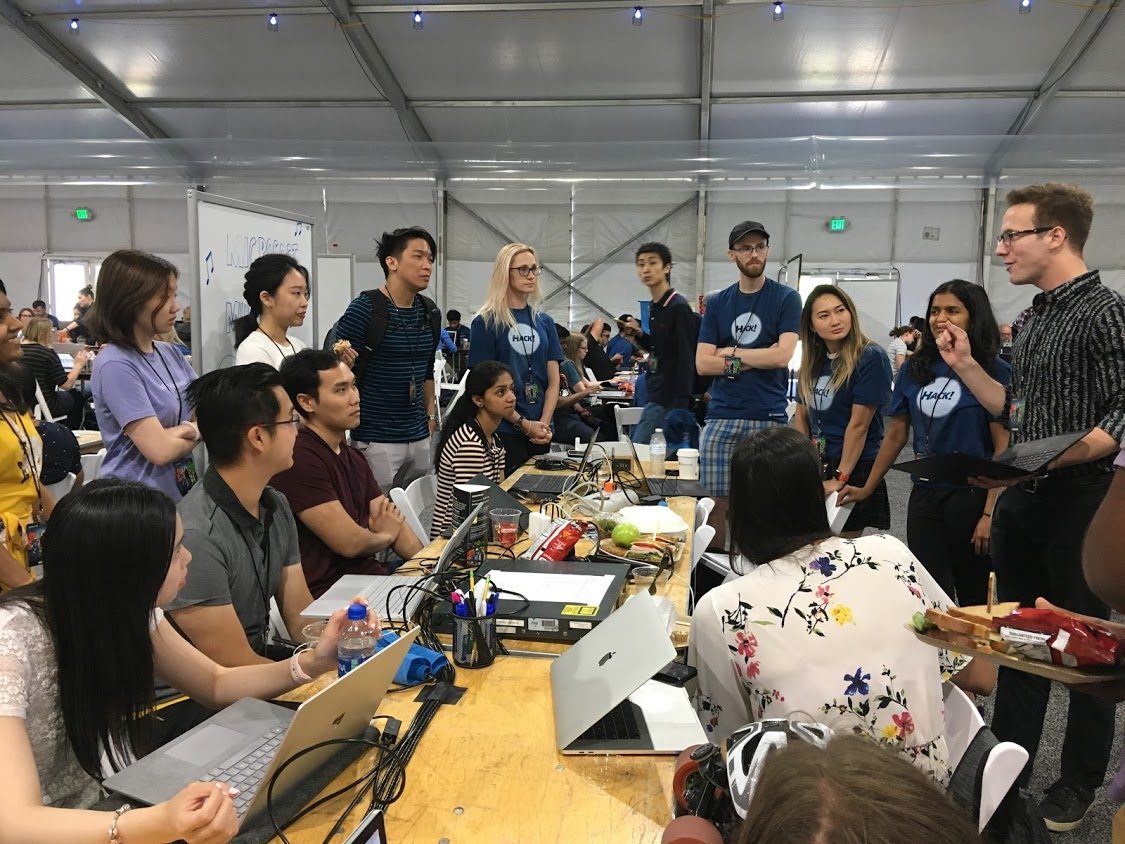
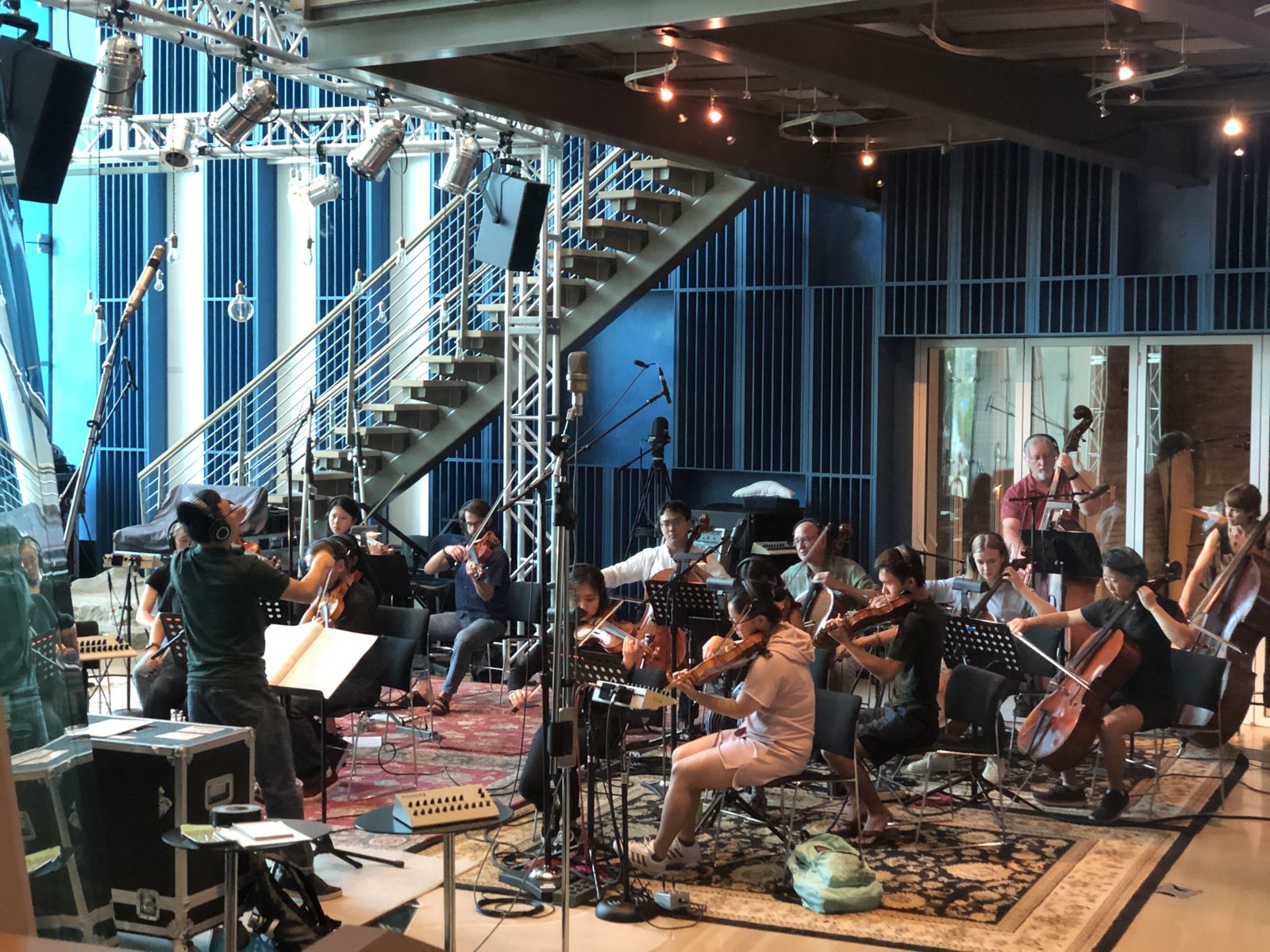
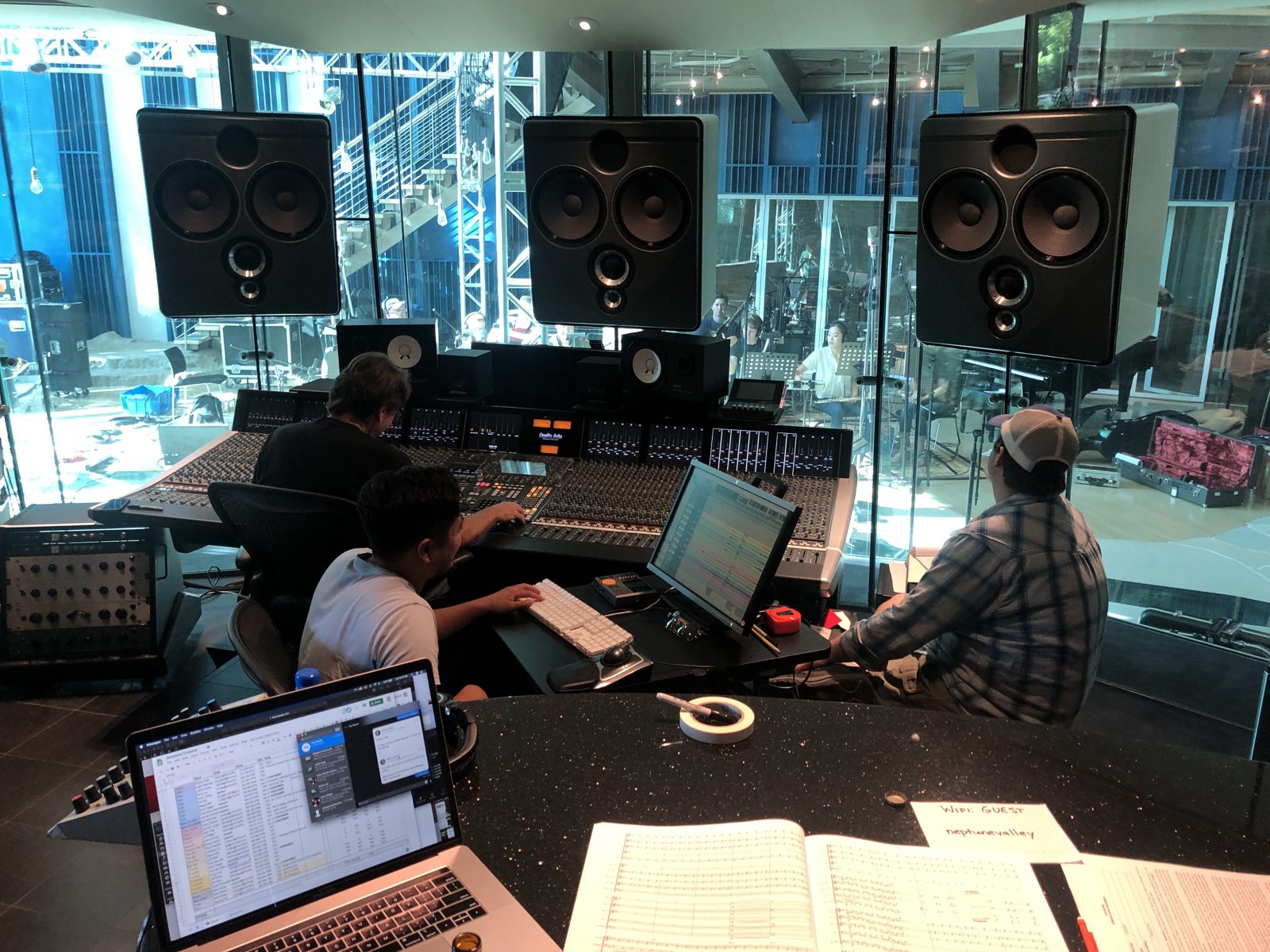
Satya Nadella wrote that it was “great to see our interns bring their energy, creativity and passion to make us better”, and Brad Smith added that “with interns and inspiration like this, it’s easy to be excited about coming to work in the morning”. In a Teams meeting in 2020, Trevor Noah called it “still better than Cats”.
Fleet Street
Music videos
With Trip Master, Connor Meany, Bill Hare, and the Fleet Street Singers
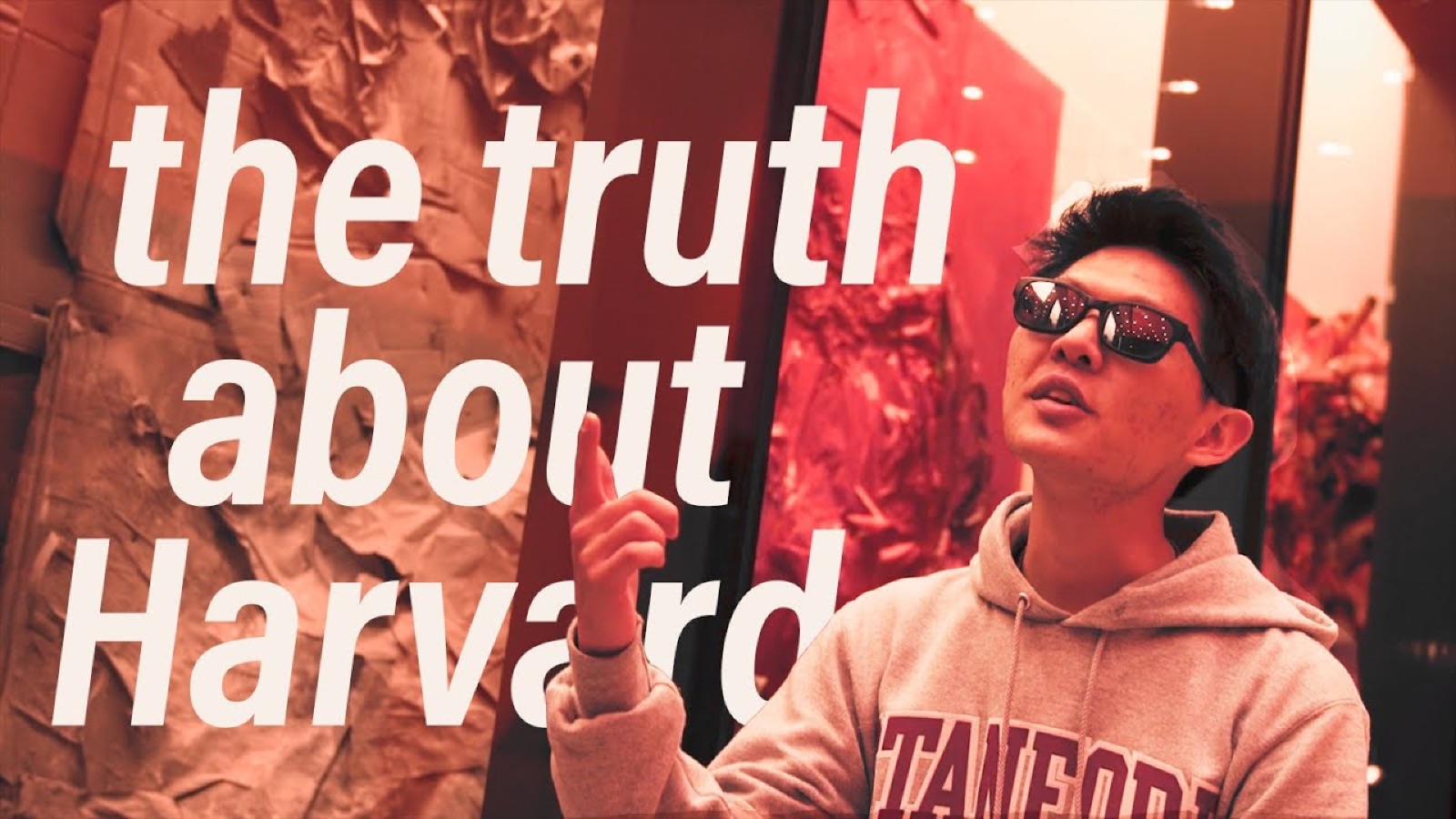
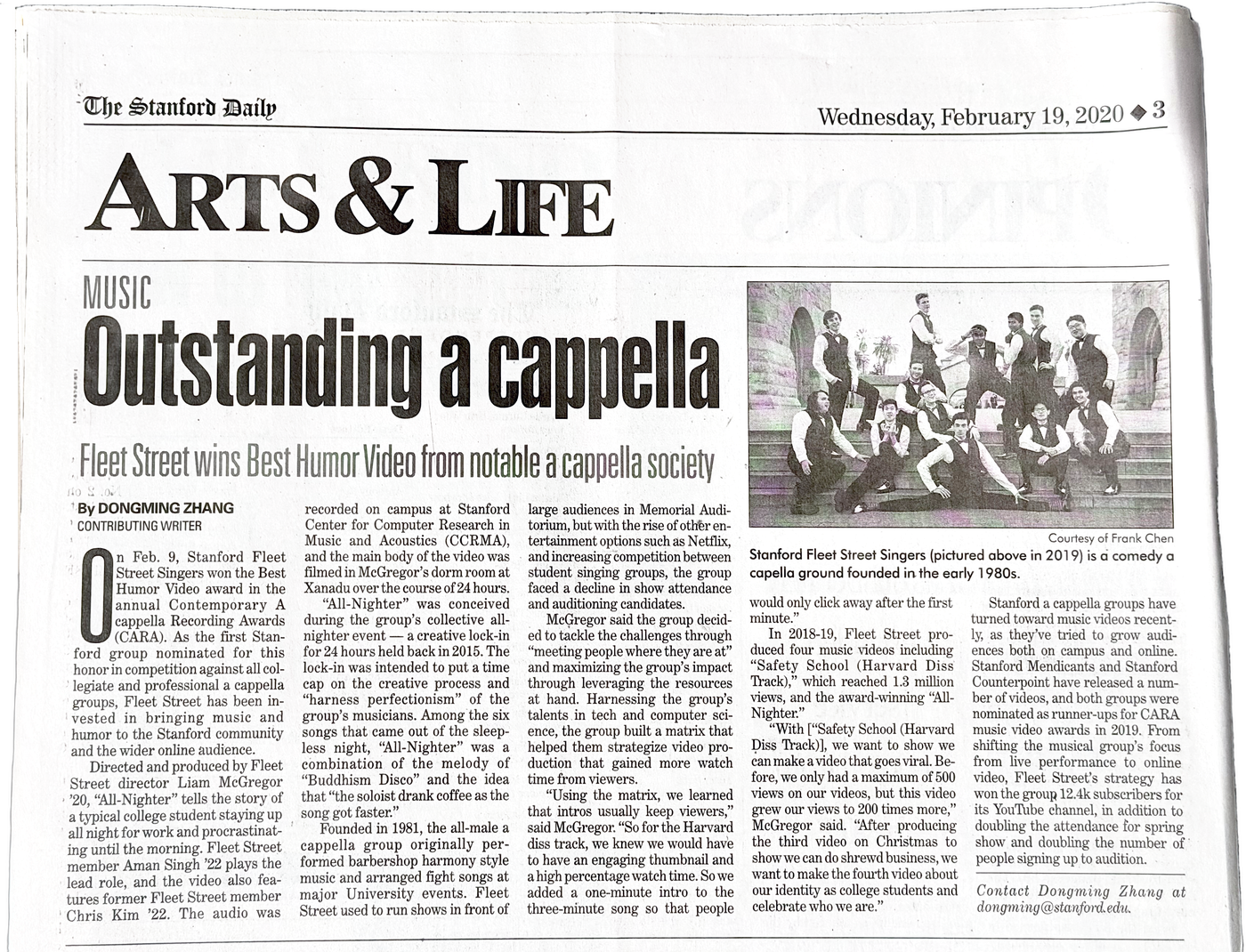
In 2018, I was elected to direct Stanford’s comedy a cappella group. I set out to bring the group’s best art to the world. We created four music videos: One to show that we could make one at all; another to show we could go viral; a third to show we could make shrewd business decisions; and a fourth to celebrate the best art the group had to offer.
We made the Harvard diss track (affectionately called “Safety School”)—it reached 4 million views across YouTube, Bilibili and Weibo.
“All-Nighter”, which we shot over the course of 24 hours in my dorm room, went viral as well, and was named best humor video at the 2020 CARAs.
We found our audience with high school seniors and incoming freshmen, and the success of the videos sparked a virtuous cycle between talent and art: By the end of our year, show attendance and demand for auditions had doubled, letting the group pursue more audacious bets.

Luminar
Self-driving car company
Early team, special projects

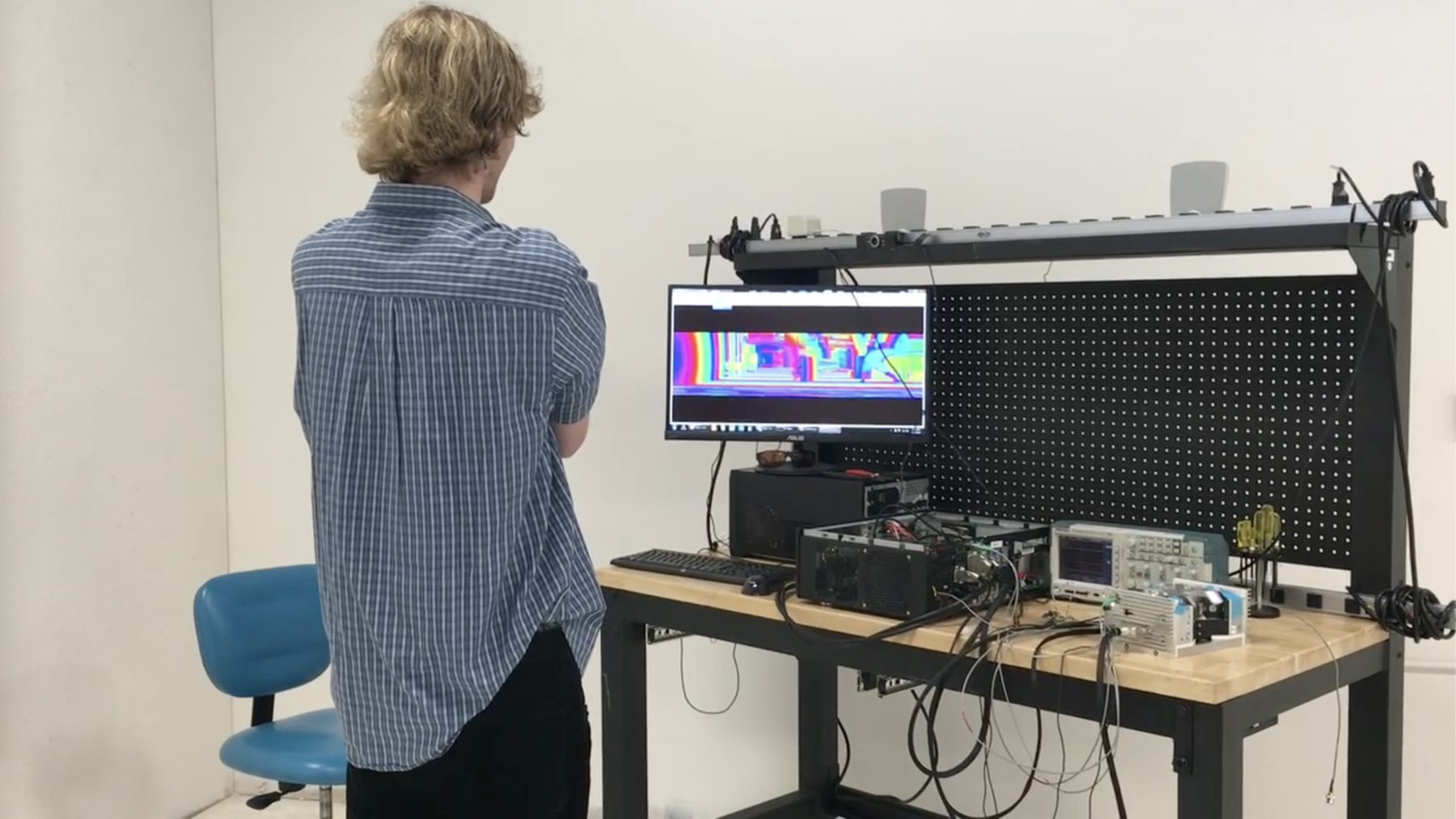
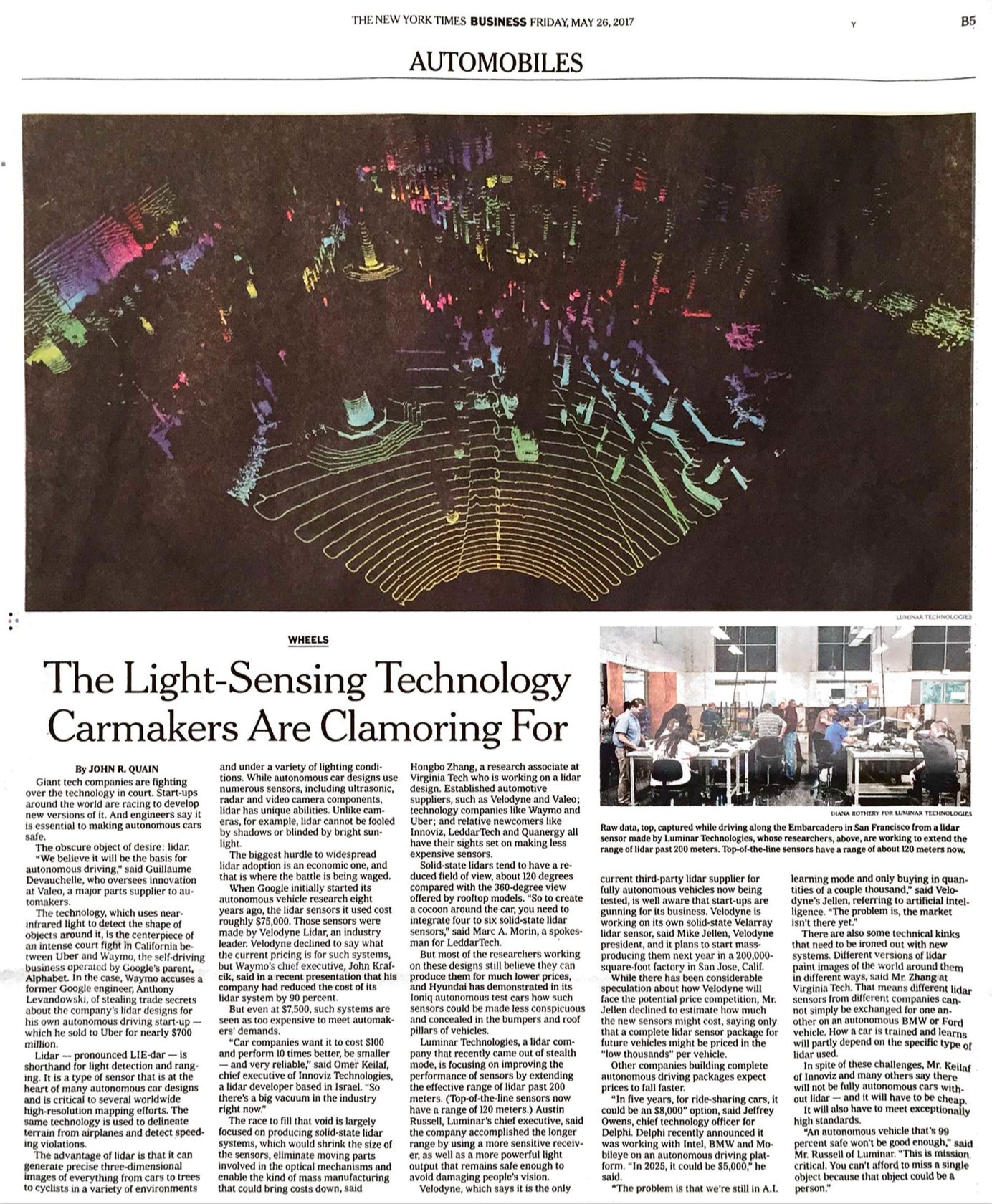
Luminar was a self-driving car company. We built a LiDAR sensor that could see depth at camera resolution, seeing 50× more detail and 10× farther away than other LiDAR sensors at the time.
I joined the team at Luminar at 15 employees. By the time I left, we’d raised $36 million, were gearing up to raise $200 million more, and had grown to 250 employees. It gave me a front row seat to hyper-growth, and an appreciation for what you can achieve in a fast-growing startup.
I dropped out of school to help build the company, working on it for a year and a half before returning to Stanford. Luminar listed on Nasdaq in December 2020 at a value above $7 billion.
Everyone comes out of our experiences with their own story to tell. So it isn’t the press that I’m most proud of, but rather the stories people rush to tell their friends, gossip about in group chats, and carry with them for the rest of their lives.
That said, the press can give us a glimpse into the stories we never got a chance to live ourselves. Here is a selection of the 314 news articles written about my work so far.
Missed Connections Photo Booth
Matchbox
Checkmate
Marriage Pact
No Particular Project
Fleet Street
Microsoft the Musical
Satya Nadella wrote that it was “great to see our interns bring their energy, creativity and passion to make us better”, and Brad Smith added that “with interns and inspiration like this, it’s easy to be excited about coming to work in the morning”. In a Teams meeting in 2020, Trevor Noah called it “still better than Cats”.
Luminar
2026 Jun
Purpose
There’s an infinite amount of value that can be created in a minute of your time.
We aim to harness superintelligence to pursue a meaningful life for every person. We believe relationships give life meaning. So our first objective is meaningful relationships: helping you find them, and helping you invest in them once you have them.
Our mission is both nostalgic and futuristic. We aim to protect and expand what it means to be human. We want to research the universal truths of what makes life fulfilling, some of which are inherent in our biology and were programmed into us tens or hundreds of thousands of years ago. We aim to recapture some of the magic of the original social internet. We aim to create delightful social experiences indistinguishable from magic. Ultimately, we aim to deploy superintelligence not to spend your time, but rather to save what little, precious time we have so that you can live life to the fullest.
Your best life
You haven’t yet met all the people who are going to be important in your life. Think about the people who have changed your life for the better. How many of them did you meet by circumstance? Circumstances don’t have to happen by chance.
With a deeper understanding of each human, we can make sure you meet the people who could change your life. These people aren’t just romantic partners (although those will be important). They’re also intellectual partners, creative partners, friends, mentors, confidantes, and more.
Decades from now, how different will your life have been if you met those people—or if you didn’t? You shouldn’t have to wonder.
A meaningful life
There is a crisis of meaning coming (some might argue it’s already here). If you don’t have religion, you don’t have community, and you don’t have work… what gives you the feeling of meaning? Dopamine-binges offer a way to spend your life, but they don’t make that life full.
We believe that relationships give life meaning. We believe our legacy lives on in the people whose lives we touched, who we changed, inspired, and who loved us. Sharing experiences with others, creating things with others, competing with others, even simply passing time with others, can all contribute to a life fully-lived. Much like religion, these offer a vision for purpose in life that’s bigger than just yourself.
Introductions are just one step in that journey. Stimulating existing networks to live up to their potential is another. In an increasingly lonely world, these will be the wedges into an enchanting future where superintelligence isn’t just a tool, or an oracle, but something that can act to make each life as meaningful as possible.
Your longest life
It’s worth noting that having a social purpose, having people who rely on you, creating things with others, and being part of something bigger than yourself are all things that promote a longer health span. These things are as important as (if not more important than) diet, exercise, sleep, and most other major interventions.
The social platforms that once might have helped you achieve those things have lost their way, and become entertainment platforms. But major technological and platform shifts always create opportunities to unseat incumbent content and social networks. We will do so.
Opportunity
Social technology has the potential to help you live your best life, your most meaningful life, and your longest life.
A vacuum has emerged as social technologies have veered toward entertainment in pursuit of ever-increasing time spent. People are more lonely than ever.
At the same time, superintelligence will soon be capable of understanding us more deeply than we even know ourselves. With richer context and greater capability than ever before, we will harness it to help each human find connection, relationships, and meaning.
2023 Dec
How couples meet
Every year or so a chart goes around showing how American couples met, decade by decade since 1950: online rising, everything else falling, and one other line, bars and restaurants, rising alongside it. I had seen it many times before I read the paper it came from.
The chart comes from How Couples Meet and Stay Together, the survey run at Stanford by Michael Rosenfeld, Reuben Thomas and Sonia Hausen, and it is landmark work. But on page eight the authors note something the picture never shows: the apparent rise in meeting at bars and restaurants after 2010 is, in their words, due entirely to couples who met online and then had their first in-person meeting at a bar. Exclude them, and bars have been declining as a place to meet since 1995. The caveat is in the text; the image is what travels.
So our relationship science team went back to the original survey data, 6,519 couples, and redrew the chart with the bar-and-restaurant category cleaned so that nobody who met online is counted twice. Eden Gibson did the work. Professor Rosenfeld kindly pointed us to the smoothing he had used: lowess for every category except online, which takes a five-year moving average so that the discontinuity of the graphical web in 1995 survives.
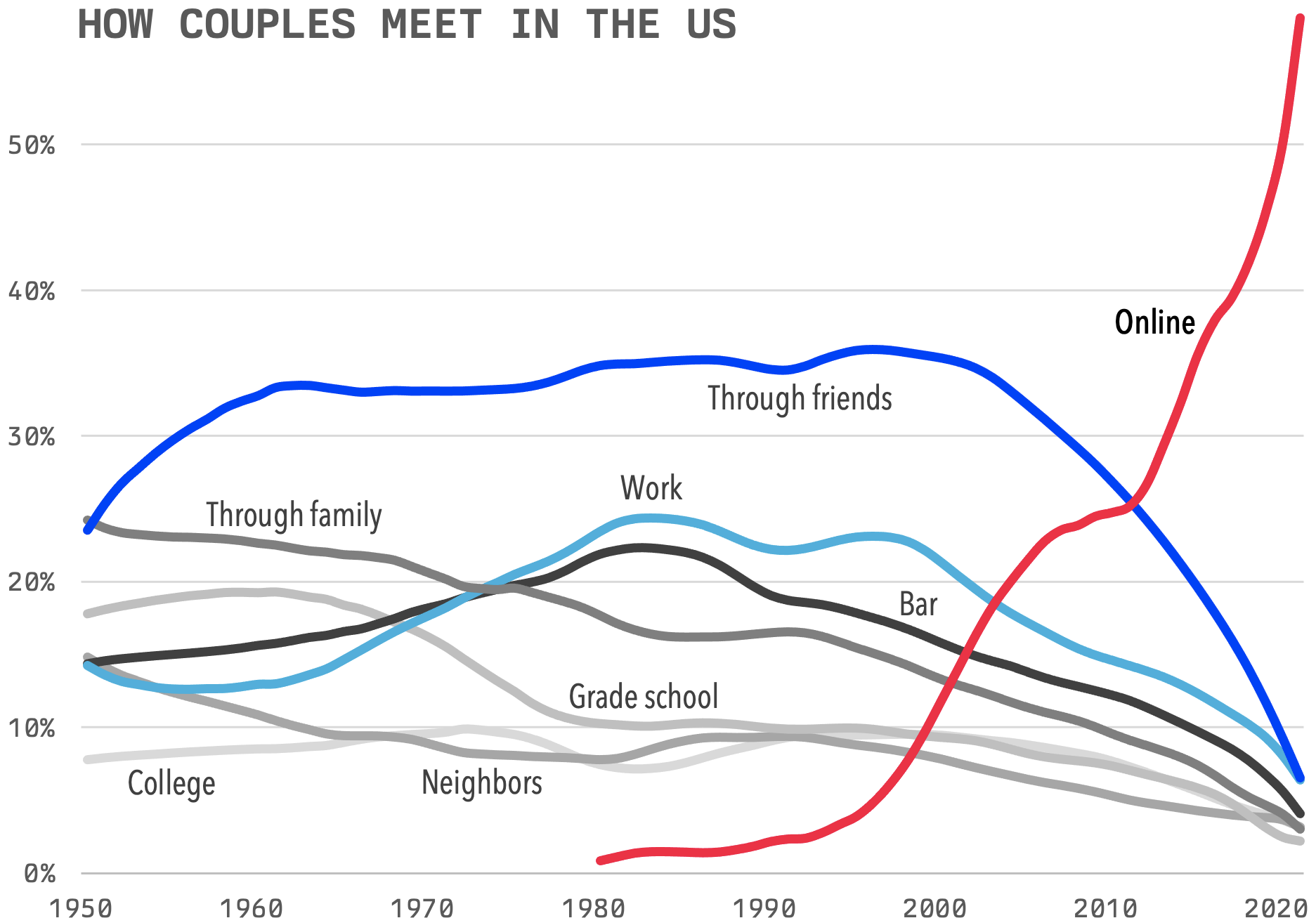
The corrected chart went to the front page of Reddit in December 2023 and has been copied around the internet every year since. Two reactions dominate: the future is depressing, and I am glad I met my partner before dating apps. It is rare to find such widely used products so widely disliked. I hope we can change that.
Where it traveled
I’ve long been fascinated by what it takes to go viral. In 2024, we threw ourselves into figuring out short-form video. Since then, we’ve done 100+ million organic views, and we’ve distilled virality down to a science.
Missed Connections Photo Booth
The booth gives anyone a platform to tell their own story. In the booth’s first 30 days, our posts drew 8.6 million organic views, and inspired 20 million more as strangers shared their own experiences.
Matchbox
Matchbox is what we used to develop our playbook to consistently, systematically go viral. In the first two years, we drew 60 million views across Instagram and TikTok.
Marriage Pact
Marriage Pact spread by word of mouth, and became a college tradition long before we ever made a viral social media post about it. Most discussion happens between friends in group chats, dining halls, classes and dorm rooms. Online it happened originally in Facebook meme pages and then on Fizz. But every once in a while, glimpses of the experience will break containment and go viral on the “open internet”. In our first year, we accrued 40 million views, and still more come from people telling their own stories. Here are a few of them.
2024 Mar
How to communicate design problems
A good design presentation almost always follows one of these two outlines:
01. Liam’s outline for a good design presentation
Concisely state the problem we’re trying to solve as specifically as possible
“solve k-factor for the dating app, to ensure we add 200 new people per day so people are always seeing fresh profiles”
State the direction you explored to find your solution
“invite a friend to see your score with them”
Share inspiration for the solution
Could be specific inspiration, like precedent in our products or other people’s products. Or it could be general inspiration, like art, still frames from movies—anything that evokes the feeling we’re trying to create.
What are the important considerations as we choose our favorite solution?
When designing a list of upcoming events, think: “what information is most important?” “how many events are we trying to accommodate in this list?” etc.
This will give everyone the tools to evaluate whether or not your proposed solution is great or not
What are three rejected alternatives: show solutions you considered at various points but discarded
Could be at the idea level, the prototype level, or even in full detail.
What’s our proposed solution?
Note: If you were right about what the most important considerations are (which you shared in #4), it should be easy for your audience to see why the rejected alternatives in #5 were inferior to the final solution. If you had the wrong “important considerations”, then showing the “rejected alternatives” will help your audience realize this and point it out to you! Many junior designers make the mistake of hiding either #4 or #5 so they can avoid this awkward moment. But they are hurting themselves and the team. That awkward moment may feel bad in the moment, but ultimately it helps the team produce our best work the fastest, and it helps you improve the fastest.
02. Prof. Matthew Frederick’s outline for a good oral presentation in architecture school
“An effective oral presentation of a studio project begins with the general and proceeds toward the specific.”
State the design problem assigned.
Discuss the values, attitude, and approach you brought to the design problem.
Describe your design process and the major discoveries and ideas you encountered along the way.
State the parti, or unifying concept, that emerged from your process. Illustrate this with a simple diagram.
Present your drawings (plans, sections, elevations, and vignettes) and models, always describing them in relationship to the parti.
Perform a modest and confident self-critique.
“Never begin a presentation by saying, ‘Well, you go in the front door here’ unless your goal is to put your audience to sleep.”
Matthew Frederick, 101 Things I Learned in Architecture School, 2007
2022 Feb
What should we build?
Here’s the problem: the dominant paradigm of big data and AI in consumer tech so far has been extractive. Since 2013, even while we’ve made a diverse set of breakthroughs in CS research, a lot of work around applying big data and AI has gone into answering, “how can we extract more ad impressions out of each customer?”
It seems odd to me that this is how these innovations have been applied over the last 10 years, because a far more interesting and valuable question, in my view, would be, “how might we create new experiences that were never possible before?” and more specifically, “How might we create experiences that change your life for the better?”
The ads-based model is a trap. From a game theory perspective, it is teeming with powerful incentive misalignments. For example, under the ads model, the fundamental metric driving profit is more total ad conversions. This eventually means more ad impressions, which requires either cannibalizing the actual product and replacing it with ads—or it requires increasing total time spent in the product.
Then they make a shaky assumption to justify this business model: that people must only spend their time on things that are worth it to them. Therefore, if people are spending more time in the app, it must be good for them, too.
Here’s the obvious problem: except in rare cases, that assumption simply doesn’t hold up. We are human, and we’re all victims of our own irrationality. The time we spend on something is almost completely different than utility we get out of it.
It generally requires a lot of mental gymnastics to untangle the web of incentive misalignments.
And I’d rather not bother.
I hold a fundamentally different view: I believe we should create things that are so valuable, they’re worth paying for.
Let’s go one step further: I want to build products of supreme, unambiguous value. Where people get tons of real-world utility out of something with as little time required as possible.
This idea is fundamentally impossible for products in the attention economy—the singular goal of ad-based products is to consume your time, not create value for you.
I believe we should have products that let you use your data as a superpower—to help you do things you could never have done before.
And products should let you wield your data like a tool—to achieve goals that benefit you, not random third parties. Technology should support your life by stepping in at the right moment to provide value—and then it should melt into the background so you can do the things that matter, like investing in new relationships or celebrating old ones.
This is what we should build: products that give you superpowers, which unlock experiences you never could have had before, and focus on creating immense, and unambiguous, value for you directly.
2020 Oct
Refiled
2023 May
Team values
The bedrock of sound relationships is compatible values. That’s why, when we ask a Marriage Pact question, we don’t bother with your interests, hobbies, or favorite ice cream flavors. We ask about your values, deep down.
Our team is large enough that you probably won’t get to know everyone straight away (though you should try!). Our values guide how we interact with each other, giving us common ground, no matter what we’re working on or who we’re working with. Further, they’re designed to be concrete and actionable on a daily basis.
This is an evolving list, and your input will always be welcome and important in shaping it.
Here are our core values at a glance:
Be insatiably curious
Take initiative
Take pride in the details
Focus on why, not what
Respectfully disagree
Communicate early and often
Optimists win
01. Be insatiably curious
We ask lots of questions. The Marriage Pact team is made of people who ask, “why?”—of our teammates and customers alike. We wonder why the world is the way it is, and we question assumptions. Even when something is painful or uncomfortable, we dive in and get inquisitive.
On our team, we prize “learn it all”s over “know it all”s; we believe your rate of learning matters more than your starting position—so do your utmost to learn, not look smart.
Advice
If you don’t know something, say so.
Champion curious people: go out of your way to share your ideas in a way that’s understandable to those learning.
Seek out others’ questions so you can improve the quality of your work.
Keep in mind
“The right question is usually more important than the right answer.” Plato
02. Take initiative
A sense of urgency is one of our biggest competitive advantages—lean into it! Don’t wait for tomorrow. Don’t wait for someone to tell you what they want (whether that’s a teammate or an end user). Proactively look for things that need doing, and then do them. This takes a lot of intrinsic motivation, but we find it satisfying and believe that’s the kind of organization the best people want to work in.
To support this, we weed out and eliminate bureaucracy between intention and execution wherever possible. If you find something you think needs doing, you will be 100% supported in doing it regardless of whether or not it’s “your department”.
Advice
If you see something that needs doing, do it!
Keep in mind
Many decisions and actions are reversible and do not need extensive study. So take calculated risks!
Nothing sucks the energy out of the room faster than a leader reflexively saying ‘no’. Instead, approach with an air of “how might we do this?” At the end of the day we must prioritize and do few things well—but no’s will be justified.
We’re all on the same team. It doesn’t matter who came up with an idea or who completed it.
03. Take pride in the details
Everything you do has the potential to be your best work. So do your best work. We appreciate the craftsmanship in the products we create, which exists only because of the dedication of the people who made it. We value craftsmanship for its own sake, because it shows we care.
This doesn’t necessarily mean “add more details”—we talk about 80–20 solutions a lot. In practice, it means that every aspect should be highly considered. We’ll cut scope so we can devote our full attention to fewer things. We’ll be meticulous in our thought process so we can focus on elegance: making things that are pleasingly ingenious and simple.
Advice
It can be hard to go quickly and attend to our craft. Cut scope, not quality.
Keep in mind
Note that taking pride in the details doesn’t necessarily mean “add more details”—great craft is often simple (but pleasingly ingenious-ly so).
04. Focus on why, not what
We want our team to be high-learning and low-ego. So, when communicating what you know or what you’re working on, don’t present it as gospel. Instead, concisely summarize the challenge you’re solving and all of the information someone would need to arrive at the right solution on their own. Don’t just give people the answer—show them how to untangle the problem. That way, everything we design will be derived and re-derivable from a defensible thought process, no matter who had it first.
Advice
Summarizing both (1) the challenge and (2) your thought process can be much harder to do than just sharing your solution. That’s OK—it’s worth it. It benefits both your audience and you! Invest the time you need to do this.
If your team arrives at the same solution you found, we’re probably on the right track. If other people arrive at a different solution than you did, despite being handed your thought process & reasons, that’s a good sign learning is about to happen. Be insatiably curious about why y’all diverged.
Keep in mind
“If you want to go fast, go alone. If you want to go far, go together.” Unknown
05. Respectfully disagree
We’ll only build great things if ideas face healthy examination. So, respectfully disagree with your collaborators. Challenge decisions or ideas when you disagree, and ardently attempt to change minds—even if you aren’t fully convinced of the idea yourself or if doing so feels uncomfortable. In fact, we wrote this down precisely because disagreeing can be uncomfortable at first! But have backbone; disagree in service of the end result.
In turn, support people when they disagree. Celebrate their courage, especially when they’re disagreeing with you. Always distinguish between the relationships you have with your teammates (whom we cherish) and the problems you solve together (around which we’ll zealously disagree).
Advice
Argue as if you are right; listen as if you are wrong.
Once a decision is made, give your all to it—even if you disagreed earlier.
Keep in mind
Being candid is ultimately more respectful than beating around the brush.
06. Communicate early and often
Invest in your relationships! After all, we’re Marriage Pact—we should know a thing or two about how to do that. As in all your best relationships, we value a foundation of humility, kindness, and respect. Acknowledge your teammates’ emotions, and lead with empathy.
We care about each other, so we solve problems together. Communication is one of the most important determining factors in the long-term success of a relationship. Here’s what that looks like in practice: In marriage counseling, they advise, “Bring things up early and bring them up often. Bring up problems when it’s so early, and when they’re so small, it almost seems silly to bring them up.” It may feel awkward at first, but problems are easier to solve when they’re small. We communicate about the small things so they don’t fester or grow until they’re too big to ignore.
Keep in mind
“The best time to plant a tree was thirty years ago. The second best time to plant a tree is today.”
07. Optimists win
Thinking small is a self-fulfilling prophecy. So dream big. Be courageous. Embrace the unknown. Willfully and deliberately choose optimism, and reject cynicism. Building is harder than criticizing, but we are builders. We may sometimes fail, but it’s only the optimist that gets the chance to change the world.
Further, spread joy. Share your dreams and hopes with the team; inspire others, too. Your ideas, inspiration, and enthusiasm generate an energy that’s infectious across teams. Revel in that when you receive it from others, and amplify it back. Spread joy in this way, to your teammates and to our customers through the products and experiences we create.
2020 Mar
Personal values
In early 2020, I distilled a list of 9 principles I feel are core to my identity.
When I reflected further, I was able to identify 5 that I had direct control over, and 4 others which I only had indirect control. I called the first group my “core values”, and the second group my “core outcomes”.
Here are my five core values—the attitudes and behaviors over which I have direct control in my life:
Curiosity
Initiative
Grit
Industry
Authenticity (Adventure & Courage)
If I behave in accordance with those core values, I’m confident I’ll achieve these outcomes important to me:
Impact
Learning
Recognition
Self-Awareness
Living these principles is my surest path to fulfilling time spent (for me).
To celebrate them and help myself visualize them, I made a little map of which values relate to which other values. The x axis here correlates with how much of an input or an output a given principle is. Curiosity, for example, is 3:1 an input: It leads to courage, adventure, and learning. But it’s also a consequence of adventure. Impact, on the other hand, is 4:1 an output: It is the result of initiative, grit, challenge, and courage. It’s also an input to true recognition.
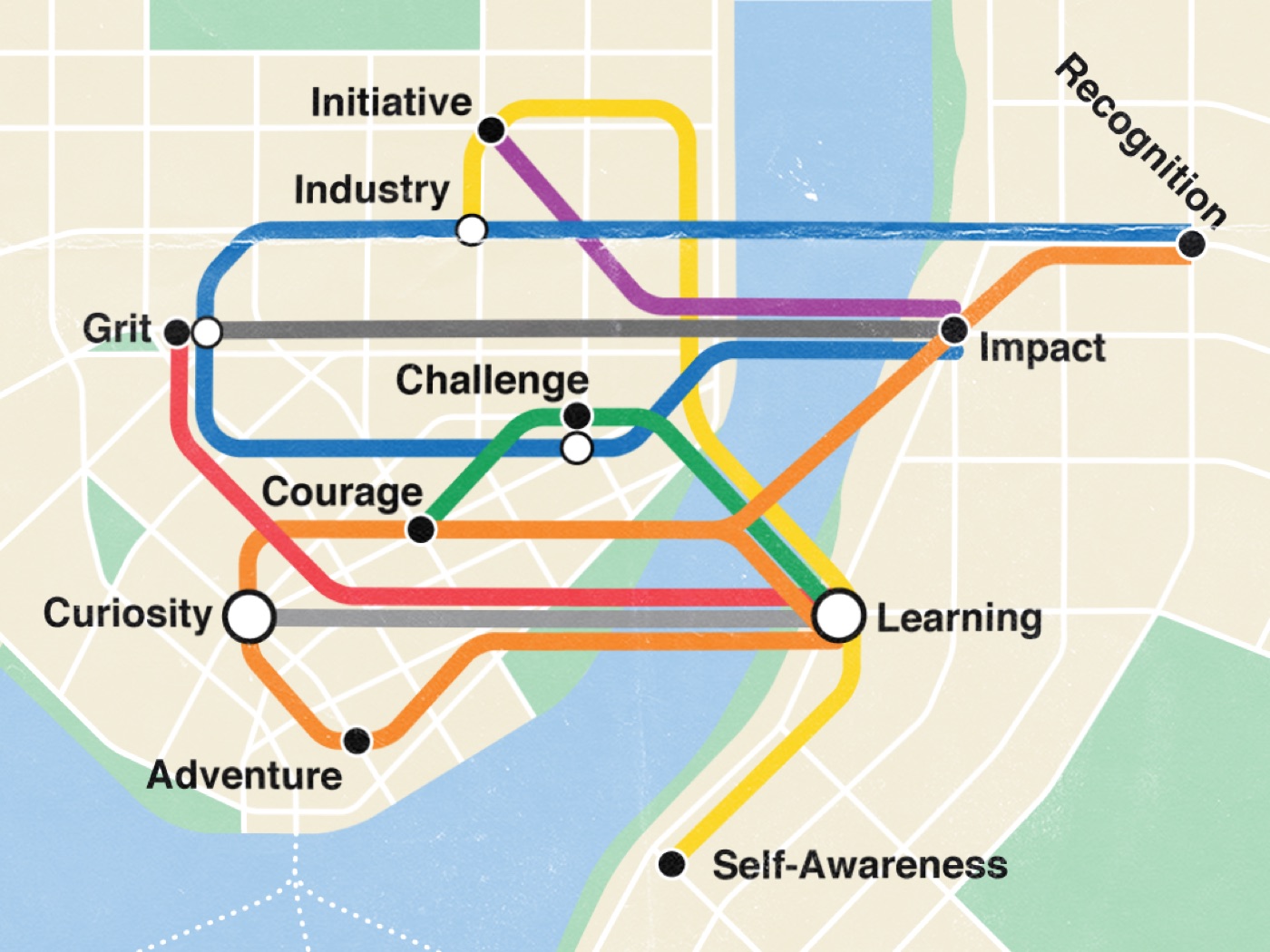
This distinction between inputs and outcomes is important. Focusing on input metrics, rather than output metrics, is a reliable way to deliver consistent results in work. I believe the same applies here: focusing on my core values is the most reliable way to cause the outcomes I hope for.
I’ve found that focusing on inputs and the reliable systems—rather than outputs themselves—is liberating. For example, it’s really important to me that I achieve immense positive impact—but impact isn’t something I can do directly. Knowing that I’ll achieve it if only I put my head down and act with initiative, grit, and courage, and apply myself to big challenges, lets me focus on the present and be optimistic about the future.
To strengthen the causal link between my desired outcomes and my values, I can make it my personal mission to build systems that facilitate that conversion. For example, I could join an existing organization (like my college a cappella group), or I could create a new organization (like Marriage Pact). I’ve also built little systems, like consistent journaling or maintaining a detailed calendar.
2026 Apr
3 out of 1000s of findings from our experiments at Marriage Pact
As part of our product studio, we created generalizable matching software called Matchbox. Hosts have now used it to match 100,000s of people at events in 100+ countries around the world. Usually, matches talk for 10–60 minutes after matching. We’ve obtained 20,000 labels from day-after match ratings. We still consider these to be “first-impression” ratings, but note they differ significantly from typical speed-dating datasets:
| Measure | Typical speed dating datasets | Matchbox dataset |
|---|---|---|
| Dataset size | n = tens to hundreds | n = 20,000 |
| Duration of conversation between matches | 2–5 minutes | 10–60 minutes |
| Time before labels were collected (more time = less bias from fleeting emotions) | 0–1 hours post-match | 16–24 hours post-match |
Note a few things about the following data:
You’ll see the correlations of just one question vs the final match score
Many more factors contribute to that final match score (usually each participant answers 20+ other questions, and the in-person interaction plays a significant role)
It’s therefore stunning that a strong effect from a single question is easily visible to the naked eye
N is so large that these are all extremely statistically significant
01. Can your partner be friends with an ex?
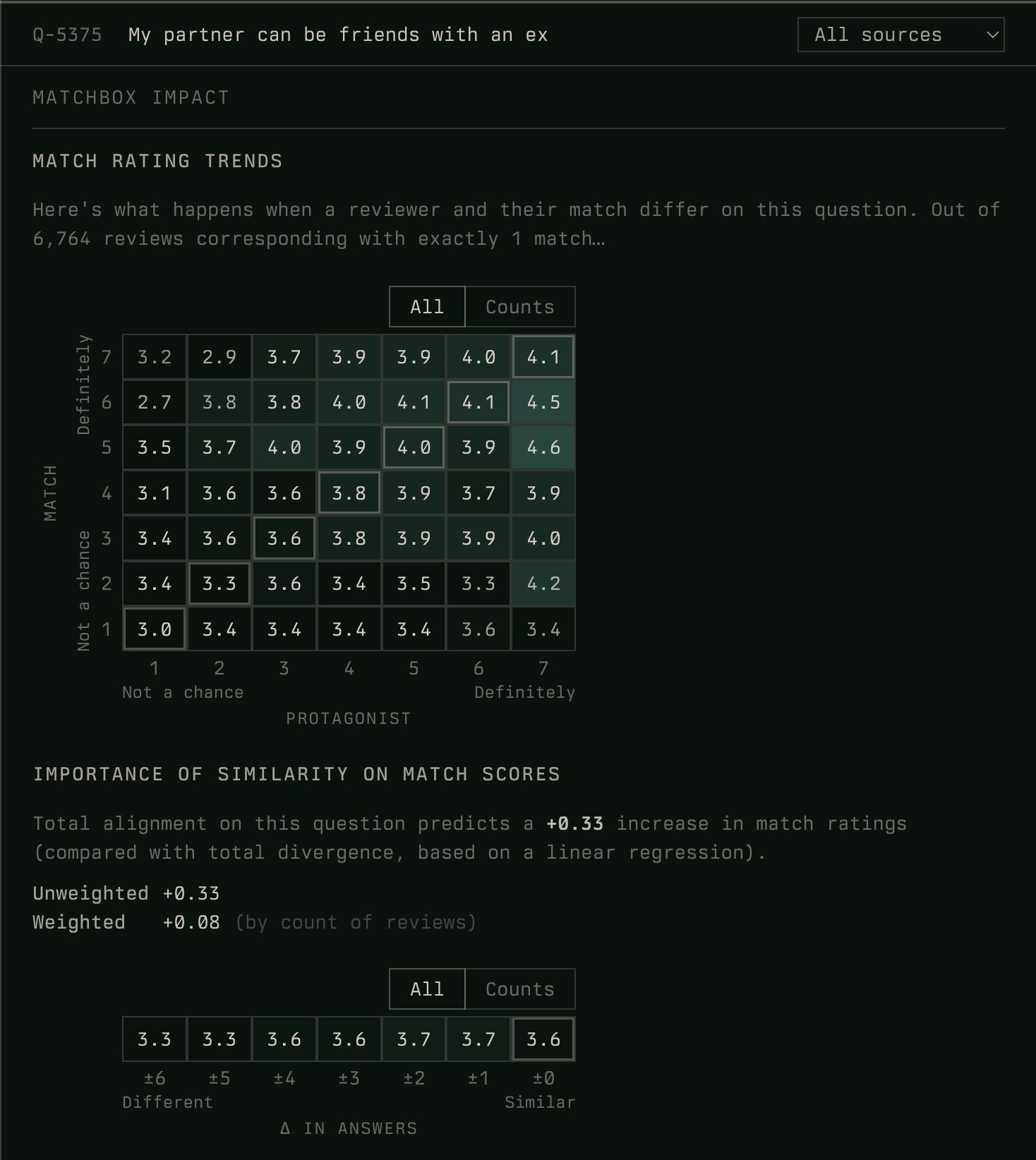
While the “similarity effect” exists, it’s weak. The clearer picture is in the 7×7 chart, which shows the protagonist’s rating of their match, organized by the protagonist’s own response to the question (x axis) vs their partner’s response (y axis). What we see: the more either person is comfortable with their partner being friends with an ex, the better for the match rating. Note this is true regardless of if it’s the protagonist or it’s the partner who’s comfy!
Lesson: the fewer neurotic people there are in any relationship, the better for relationship outcomes. This is an example of a “vertical trait”: one where it is universally better to have (or not have) the trait. This presents a challenge (albeit an overcomeable one) for matchmaking: neurotic people will consistently rank lower in searches/matches.
02. (Do you believe) traditional gender roles are important in relationships?
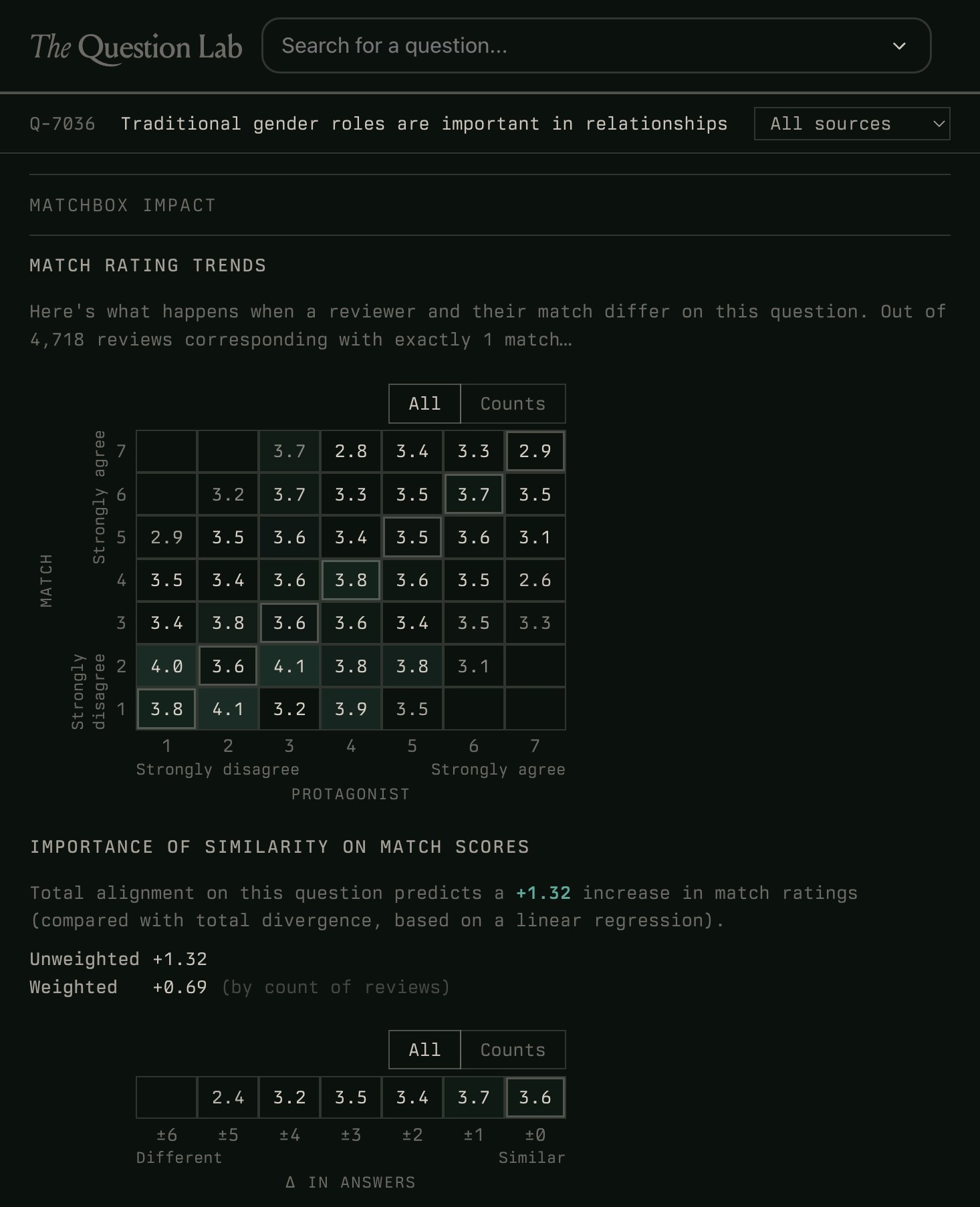
Here, again, there is a strong effect in the 7×7 grid: people who disagree with this statement typically rate other nontraditional people highly. This belies their underlying tolerance of unconventionality, which makes you more open-hearted to your matches.
But unlike last time, this time there is a massive similarity effect: matches simply aligned—anywhere—on this question outperform matches unaligned on this question by +22% on an absolute quality scale (vs +5%, give or take, on the previous question).
03. (Do you) generally like to take control during sex?
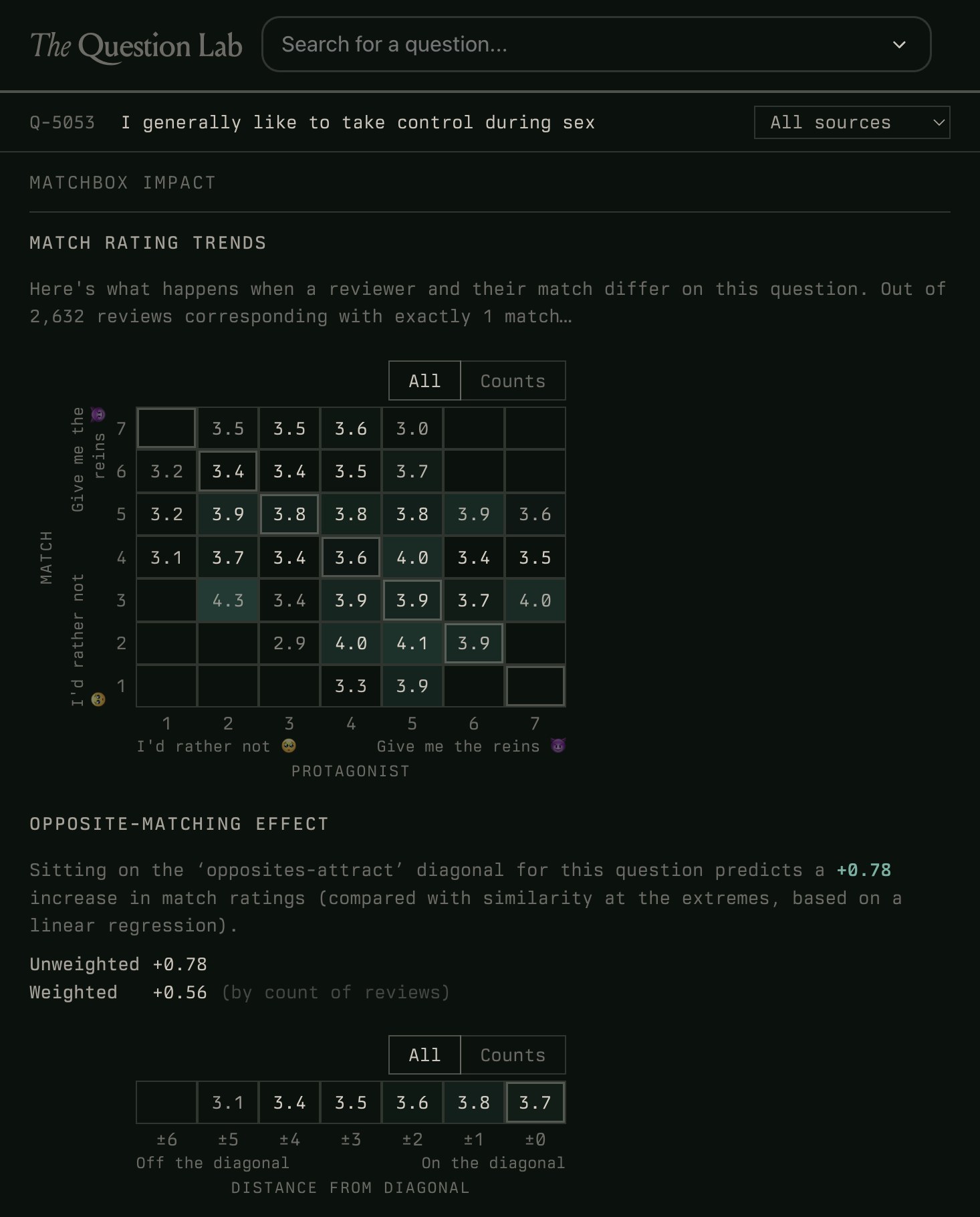
The truth is that opposites almost never attract. But in matters of polarity, like with sexual roles, opposites do attract. Here, we can quantify the exact extent to which that is the case in romantic matches: compatible responses to this question predict a +13% increase in match satisfaction after a 10-to-60 minute in-person conversation, when compared with a “mismatch of desires” at the extremes.
Please forgive noise in the 7×7 visual—we have “only” 2,632 relationships labeled here.
2026 Jan
You can change the quality of matches by changing the way you present them
We ran an experiment in November 2025–January 2026 where different Matchbox events used different methods of “revealing the matches”. Half of the events distributed their matches via a simultaneous text message, which lit up everyone’s phone at the same time with the name of their match. The other half of events received their matches via a simultaneous countdown timer, which ticked down the seconds until everyone’s matches were revealed all at once.
The results were unambiguous: the countdown method improved match satisfaction by +9% on an absolute scale. No changes had been made to any other part of the experience.
In fact, the countdown didn’t just improve people’s impressions of their matches—it improved every single impression they took away from the experience(!)
From (Not at all <> Definitely!), here’s how switching to countdown affected people’s impressions 1 day later:
| Question | Per guest (abs.) | Per event (abs.) | Event %ile (rel.) |
|---|---|---|---|
| Did you vibe with your match? | +9.3% | +6.0% | +9.9% |
| My match made sense to me | +7.2% | +4.5% | +6.0% |
| I had a lot of fun with Matchbox | +6.5% | +4.9% | +8.2% |
| [guests] I liked the set of questions selected | +6.9% | +5.6% | +7.7% |
| [hosts] Matchbox was really easy to set up and use | +4.0% | +4.0% | +3.8% |
404 reviews of 247 free events, November 20, 2025 to January 5, 2026. Every effect but the hosts’ is significant at p < .01.
The percentage of people who said they’d LOVE to use Matchbox again went up from 38.8% to 45.3%, crossing Superhuman’s 40% threshold for beloved products.
It’s impossible to ascribe these outcomes to just one mechanism. The sleeker design of the countdown compared to the text message may have contributed.
But we believe the primary mechanism was what we call the misattribution of arousal. When your heart rate gets going, and your body becomes physically aroused (no matter the original cause—whether you’re standing on a high suspension bridge, you’re about to talk to your crush, or you’re simply anticipating the end of a countdown), you rationalize these symptoms post-hoc. People don’t realize it, but they end up more excited to meet their match, and they even “vibe with their match” a lot better simply because of the way the product was designed.
This might seem obvious after-the-fact, but it’s a revolutionary outcome. These effects are so powerful they show up with this magnitude a full day after matches were introduced. This is why how matches are introduced gets careful consideration in any product we make.
2021 Dec
Marriage Pact
Facilitating meaningful relationships through science and data.
In fall 2017 at Stanford, I was taking a class called Econ 136: Market Design. We were supposed to write a term paper, but I didn’t want to do that—so I made the Marriage Pact instead.
A “marriage pact” is an informal agreement between two people—if both of them remain unmarried and without prospects by the time they turn 40—to simply marry each other. Why leave such an important decision to chance, or a backup plan? I thought at first. But then: If you’re going to make such an agreement, who would be the best person to make it with? Could we find that person for you?
We put together a proof of concept, 4111 Stanford undergrads signed up in a week, and a tradition was born. Over the next three years, I incubated the Marriage Pact through class projects and five independent studies with different professors. Marriage Pact is still around in part because I was able to explore every one of my interests through Marriage Pact—from data science to ethics and from market design to machine learning with graphs. It was a remarkably easy way to talk with professors.
Eventually we wondered: is this just a Stanford thing? Well, we assembled a small team of fellow students and, starting in fall 2020, it started growing to other universities beyond Stanford. It grew slowly at first, and then more quickly—as of December 2021, 220,000 students have been matched through the Marriage Pact at 66 colleges.
The thing that amazes me is quite simple: it works. Our feedback data shows that if you meet up with your match, there’s a 10% chance you’ll date them for a year or longer. A startlingly high number given those people’s lives are changed forever—like, their lives will never be the same for having had that relationship.
Further, even people who were totally disappointed in their matches—for whom the core value prop seems to have failed entirely—email the Marriage Pact every week asking when they can participate again. This kind of love for an experience is exceedingly rare.
The Marriage Pact is one-of-a-kind. We didn’t set out to make a dating app or a social network, so it doesn’t resemble one of the last 20 years—there’s no profiles, no search, no swiping. It’s a dating experience that, for the first time ever, lets you to just be yourself. You don’t have to filter yourself—you’ll get the best result just by being authentically you.
On the face of it, there are plenty of reasons why it shouldn’t work. But a quarter of a million people later, it seems pretty clear it does work. Historically speaking, many of the best inventions were obvious only in hindsight.
In developing the Marriage Pact, we’ve earned some unique insights into the problems we face as humans and the ways we may be able to solve them. The kinds of problems we’re looking to tackle are those that just about everyone faces in life: meaningful relationships.
After food, water, and shelter, what does anyone want? A life that meant something? To know that you meant something to someone else? Or perhaps to know that your life was meaningful because you had people in it who mean something to you?
I mentioned earlier that, at Stanford, I found the Marriage Pact to be a fertile medium in which I was able to explore all kinds of different interests. This is a secret superpower.
When you, as an individual, are creating anything—whether it’s a work of art, a social movement, or a startup—you should strongly consider your founder-market fit. It’s similar to product-market fit—whether or not the product is desired by the market—but instead it’s whether or not YOU are a good fit for the problem space. Do you have the interest, the passion, the tenacity, and the conviction to tell this story or work on this problem in particular?
The challenges we tackle with Marriage Pact are so significant, so close to my interests, and so close to my heart—I expect I’ll work on these problems for the rest of my life.
2022 Jan
Luminar
Self-driving car startup now worth $6 billion
I joined Luminar in 2016 as the company’s 15th daily active user in Slack. I’d been given a broad mandate: “I don’t want to limit you,” the CEO had told me. At the time I joined, we had an engineering team in Florida designing the opto-mechanical system, but in Silicon Valley, it was just Austin (the CEO), his operations lead, and me.
I moved into the hacker house—a 10,000 sq. ft. compound in Portola Valley that we initially shared with 20 other entrepreneurs, creatives, and characters—and there I poured my life into anything and everything I could do for Luminar. That summer, I created all the materials we used for our seed round, for which we raised $35 million, a record in Silicon Valley at the time.
After that, they said, “hey, don’t leave”—so I left Stanford instead, and helped grow the company from 15 to 250 employees. My technical background let me pursue technical details, my performing arts background helped me communicate, and my can-do attitude + my willingness to put in 80 hours a week earned me important work and rewarding challenges. I eventually carved out a role at the intersection of engineering, business, and operations.
Having a front row seat to this period of face-melting growth taught me a lot in a short amount of time. I got a crash course in startup-building—from VC fundraising and business development to production engineering and publishing patents. I got the chance to learn from whip-smart people, who came from backgrounds as diverse as computer vision and recruiting. Austin demonstrated what it was like to be a visionary leader, an inspiring mentor, and a great friend.
I was equally fortunate to learn some things to avoid. I watched our culture change dramatically as our pace of hiring outstripped our ability to teach new people our ways (it didn’t help that we hadn’t decided who we wanted to be beforehand). I saw how letting free-loaders coast could demoralize a team. And I was frustrated every time I came up against someone who took pleasure in saying “no” instead of “let’s figure out how.”
A year and a half later, with the company reaching new heights at a $1 billion valuation, I realized that we would need people with automotive manufacturing experience to take the company to the next level. So I helped recruit and onboard new people to lead the teams I’d helped start, and I went back to school.
At the end of the day, building a successful startup is incredibly hard and rewarding. At Luminar, I learned more, worked harder, earned more responsibility, and worked on way cooler things than I would have done anywhere else at that point in my life. Ultimately, Luminar gave me the foundation to found my own startup.
In 2020, Luminar went public via a SPAC. As of January 2022, the company has production agreements to support self-driving capabilities for Mercedes-Benz, Volvo, and the majority of the world’s auto makers. It is worth more than $6 billion.
2022 Jan
Microsoft
World’s most successful software conglomerate
After my time at Luminar, I figured I knew enough to be dangerous at a small company—but I wanted to learn how a well-run company worked at scale. I would end up taking two internships with Microsoft during my time at Stanford. After graduating, I worked with them full-time as a data scientist.
I learned a lot at Microsoft. Satya Nadella is a one-of-a-kind leader. From the beginning, I was amazed by how much everyone there had embraced his messages: to be learn-it-all instead of a know-it-all; or to cultivate a growth mindset—the belief that intelligence is malleable and achievement is gained through effort, not innate ability.
It wasn’t all sunshine. My first summer, I learned some of the things that de-motivate me. I asked my manager how hard we would work, really, and, coming out of a startup, his answer surprised me: he said that he would never expect his team to work more than 40 hours a week, and if we could get our work done in 30 hours, then more power to us. I saw people come into the office at 10am and leave at 4pm. I learned that the company budgets 6 months—yes, half of an entire year—before they expect new hires to fully contribute.
None of this was bad on its own, but I found it at odds with my desire to get things done, and quickly. I also believe that when you’re working on something worthwhile, you won’t mind putting in the time. I’d rather work on something so invigorating that, in the marketplace for my time, it outcompetes some of the other things I might consider doing. Many people never get the chance to choose invigorating work like that—but given the privilege to do so, I became determined not to squander it.
I also caught a glimpse of the long term. One of my clearest memories was from my final round interview in 2018, when I met the director of an organization who showed me all of his commemorative plaques for having shipped products. “Shipped the big bug fix for Windows 98”, he showed me. “Shipped the big bug fix for Windows 2000”. I saw my life flash before my eyes—would I go to work for a big company and look up in 20 years having devoted my life to bug fixes? Let me say: that work is a noble thing. It’s incredibly important that someone do it! But I resolved that life would not be mine.
One interesting thing: I came to Microsoft at time of incredible cultural change. In the summer of 2019, three movements combined to let me do something entirely improbable. In my off hours as a data science intern, I founded and led a group of 150 employees from teams all across the company to create “Microsoft the Musical”: an 8-minute long musical theater-style song, dance, and music video, in the style of Tony Award opening numbers.
The movements brewing at Microsoft at the time were, “bring your whole self to work”, “use Microsoft as a platform to pursue your passions”, and “co-creation”—the idea that everyone in the company ought to be a co-creator of Microsoft culture, not just a consumer of it. “Microsoft the Musical” was an opportunity for people across the company to say, “no matter your background or identity, you belong at Microsoft”. And not just to say it, but to show it as well, by celebrating the products we made and the things that made us unique as people.
It was a herculean effort, but through (1) galvanizing an extraordinarily mission-aligned team (2) leaning into an ambitious-yet-theoretically achievable deadline, (3) practicing inclusion in our organization, and (4) some nontrivial negotiations with teams across Microsoft set up to mitigate risks (ie. institutional “no” people), we made it happen.
Microsoft the Musical taught me how powerful it is to bring everyone along in why you’re doing something as a team. It showed me how much you can achieve when you surround yourself with people who are better than you at each different thing—and you empower them to make their mark.
My top-of-band return offer ultimately came with the observation, “I trust that you can do data science—but if you can get people from 20 different teams at Microsoft to come together and achieve something like that, it’s clear you can move mountains. And I want you here.”
Microsoft was ultimately a chance to practice achieving the improbable, a chance to meet lifelong mentors, and—oh yeah—a chance to do some production data science along the way.
2023 Dec
What does The Algorithm look like?
Building Marriage Pact, I’ve spent a lot of time thinking about how our technology might mediate our relationships.
But recently, some design questions have been nagging at me.
I took Sunday night to explore one: what does The Algorithm look like, and how do I interact with it?
Broadly, our work falls into two camps:
we make it easy to invest in your existing meaningful relationships, and
we help you find new ones.
I think of Marriage Pact as Relationship Company.
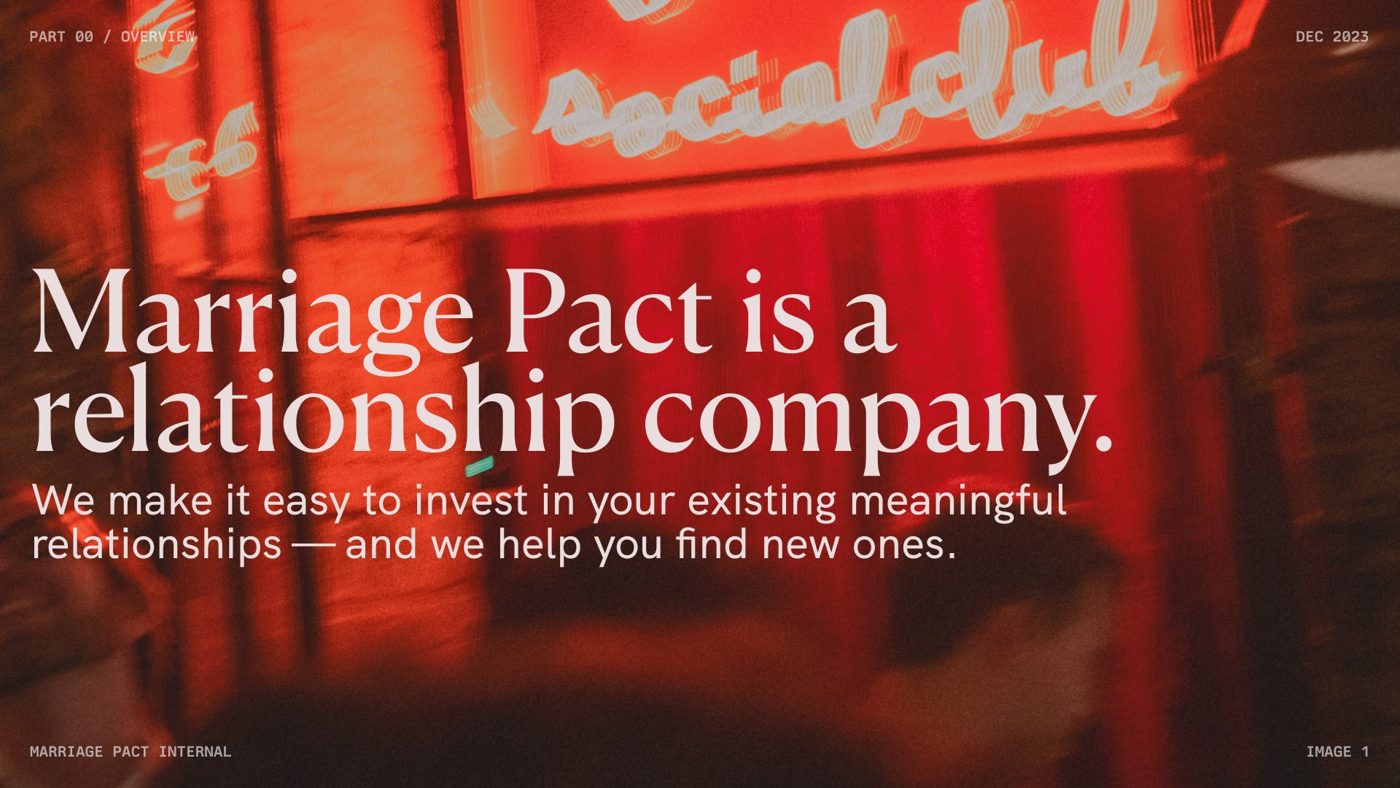
We have some decent traction so far:
68,500,000 questions answered
1,800,000 friendships added
360,000 matches made
At Stanford, after 4 years, you’re more likely to have done the Marriage Pact (99%) than you are to have graduated (76%)
Our approach, right now, is to
use insights learned from creating the Marriage Pact match event (450,000 participants at 86 schools)
to design new experiences that anyone can use—like Checkmate, which lets you see your relationship score with anyone (183,000 peak MAUs)
At the center of all of these products is The Algorithm. It predicts the quality of different relationships and makes the best matches possible.
We can do that with decent accuracy because of our high-signal dataset of questions, answers, and relationship outcomes.
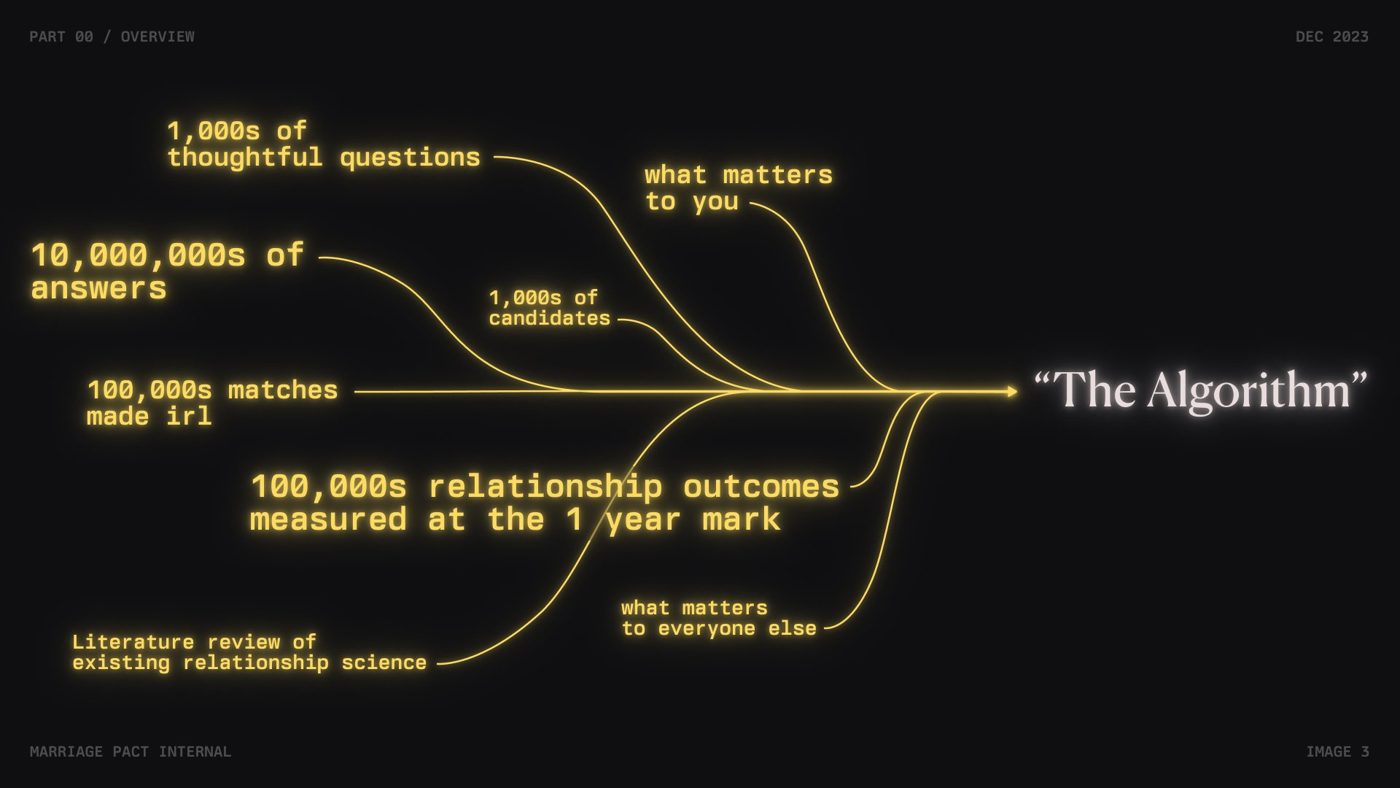
Here are a few interesting design questions that have been nagging at me:
What does The Algorithm look like, and how do I interact with it?
Can we kill static profiles?
How do people feel match quality?
How do you express what matters to you?
I took Sunday night to explore question 1: What does “The Algorithm” look like?
There’s some interesting precedent for what AI, algorithms—or in this case, matchmakers—can look like.

They can be a character
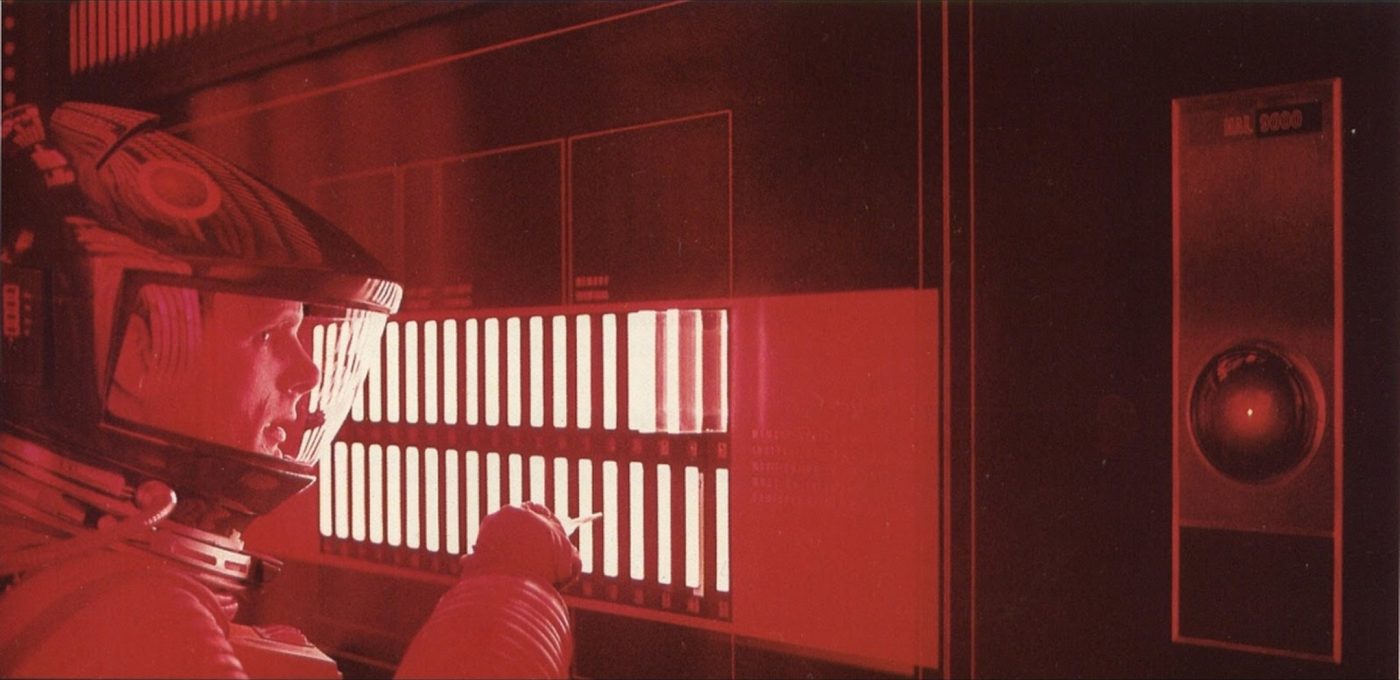
Or a medium
They can be anthropomorphized
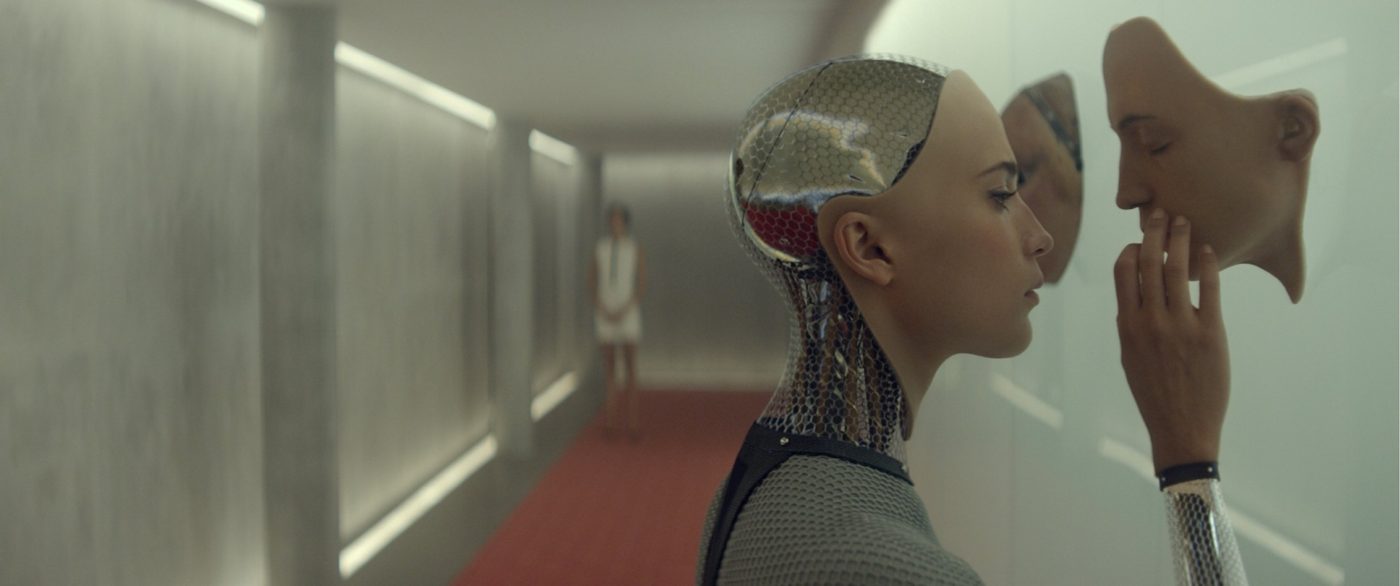
And they can evoke strong emotions
“you look lonely”
They can appear all-knowing

They can be bio-integrated
Or they can be interacted with via mouse & keyboard
In my opinion, the best results seem to come from exploring the beautiful tension between analog and digital
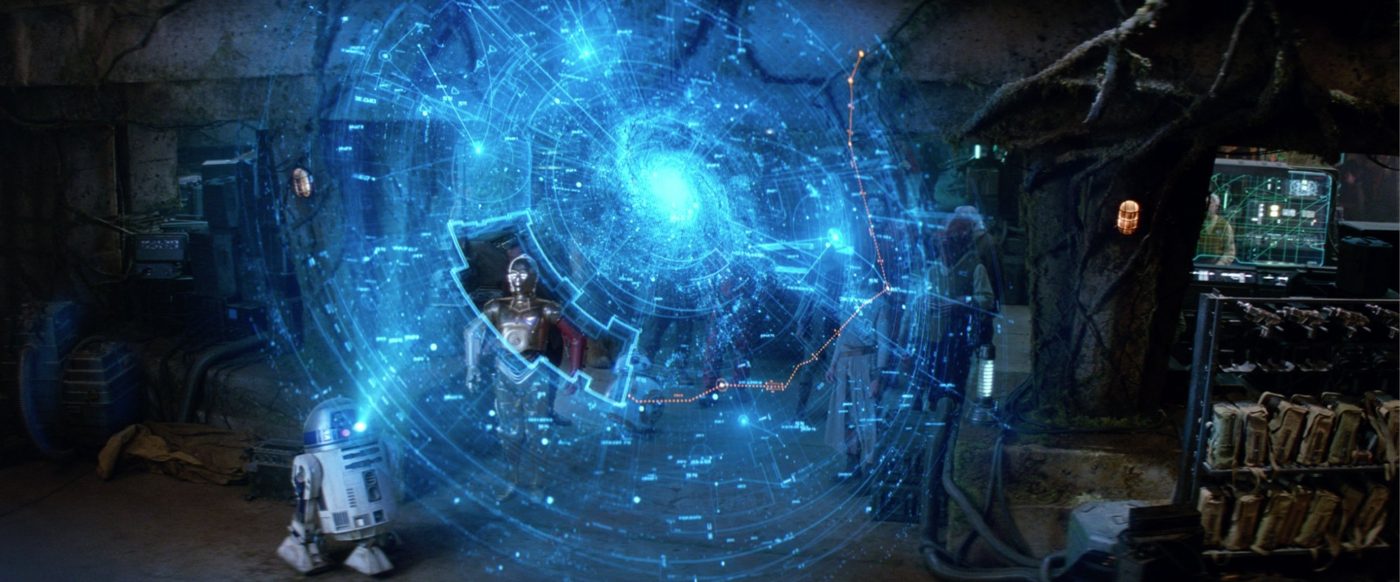
but we care about what The Algorithm, specifically, might look like.
What distinguishes An Algorithm from technology in general?
In our case, it has agency: making proactive introductions and facilitating your meaningful connections.
How might we convey agency, capability, credibility?
Looking at precedent, many beautiful ideas so far have been bio-inspired, mixing radial geometry and visual complexity with technology.
(although this Algorithm turns out to be the bad guy)
Some Algorithms offer proofs of concept
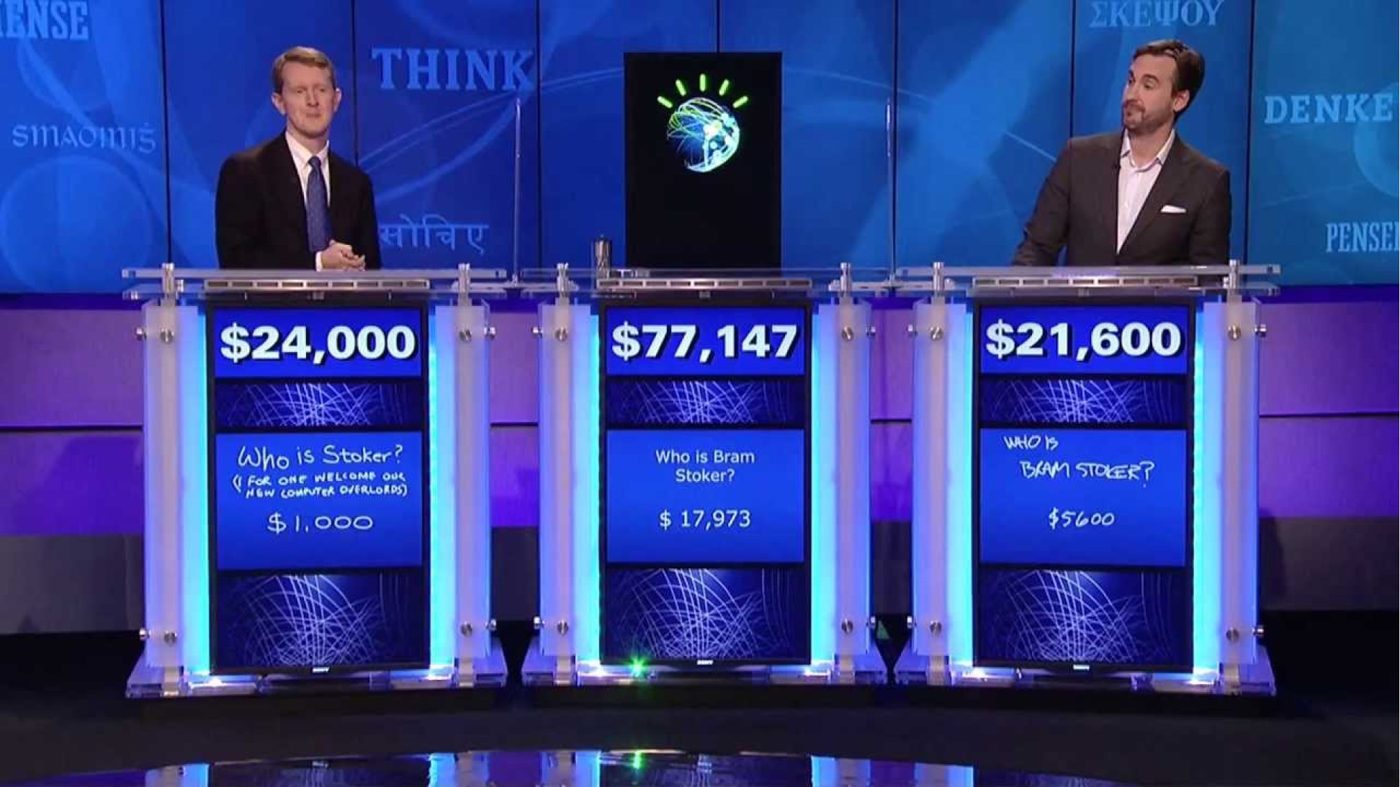
While other Algorithms become reality
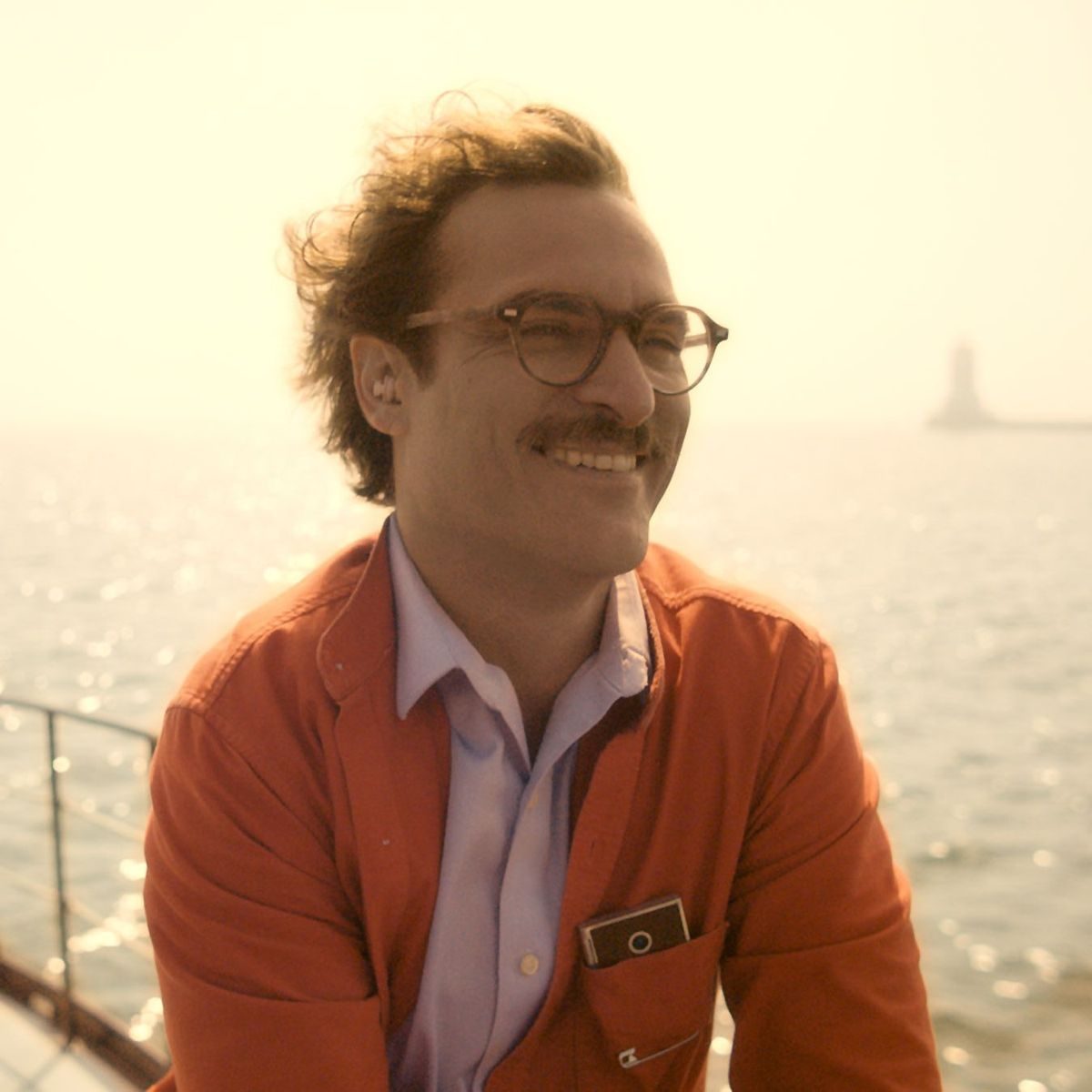

How does The Algorithm look and feel when you interact with it?
Most are uninspired.
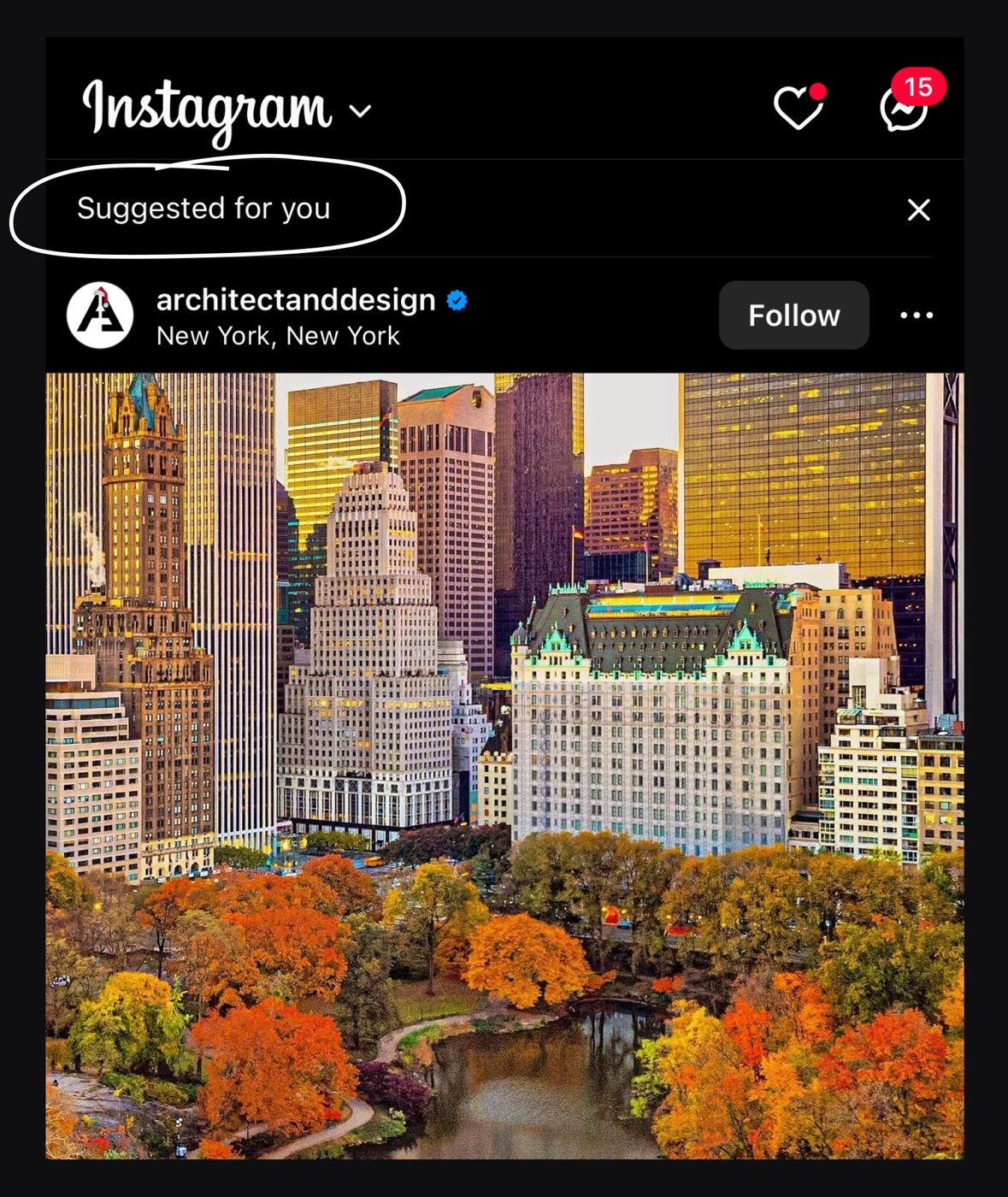
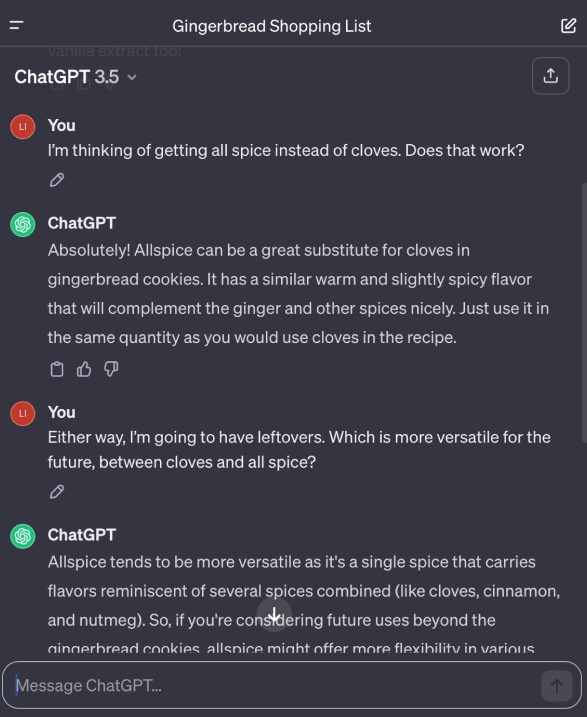
And there’s a disconnect between visibility and capability:
The most beautiful assistant of 2015-25 wasn’t capable of anything…
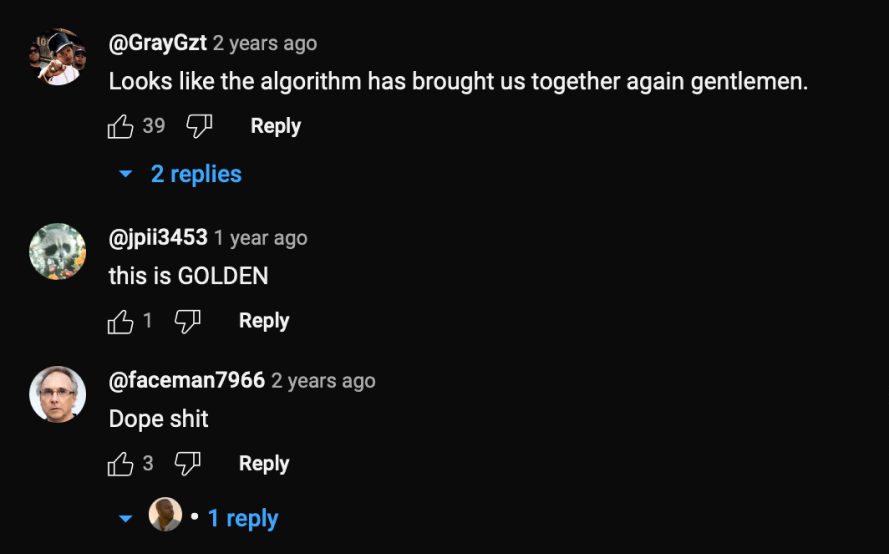
… while the most powerful algorithms are often felt, but not seen.
What might Our Algorithm look like?
Design principle 1. Balance Complicated and Uncomplicated
from Perception for IBM Debater (2019)



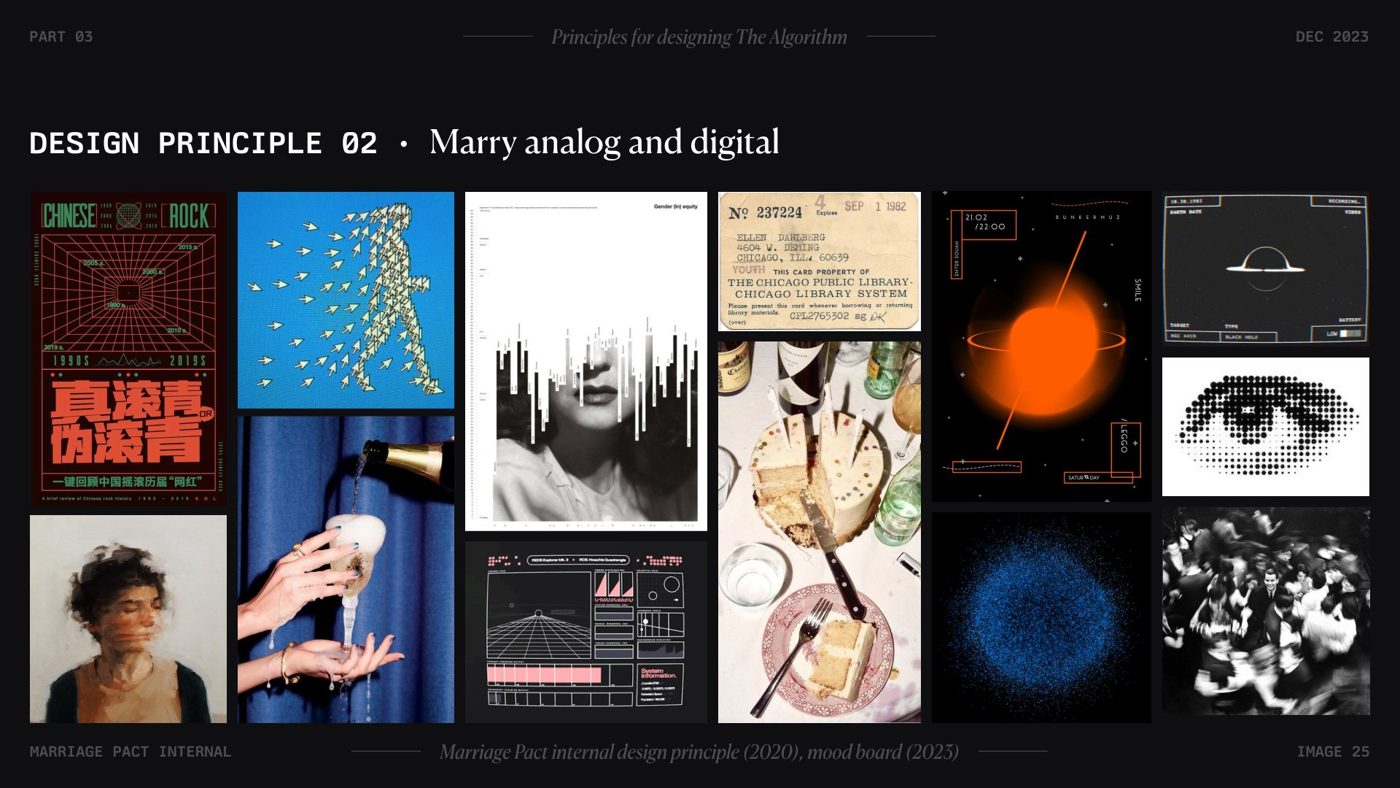
Design principle 2. Marry analog and digital
Marriage Pact internal design principle (2020), mood board (2023)
closeup on Apple’s Proximity Pairing because I love it so much:
Design principle 3. Bridge “science fiction” and “science fact”
from Territory for Dune (2022)
(those “science fact” controls help sell the (science fiction) ornithopters)
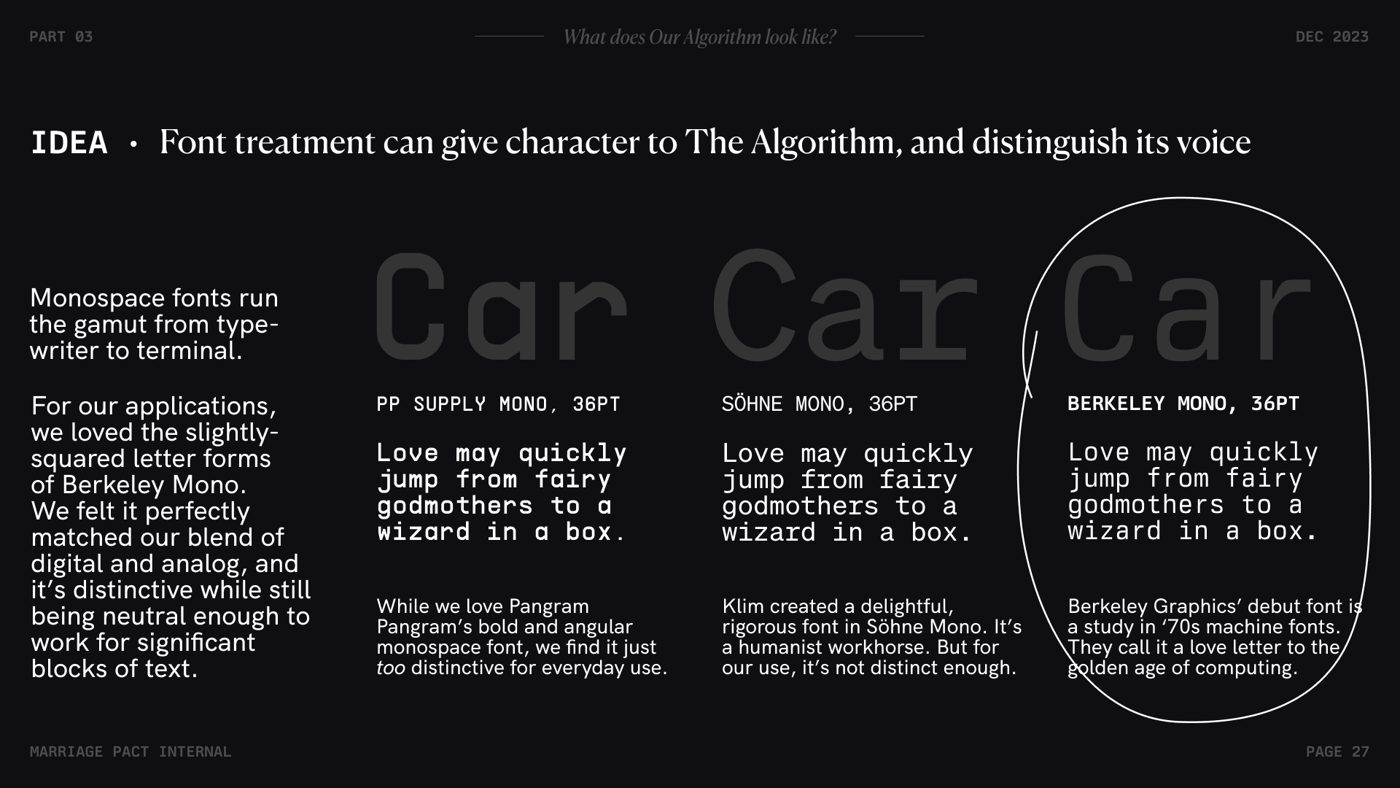
Idea 4. A particular font could distinguish The Algorithm’s voice and give it character
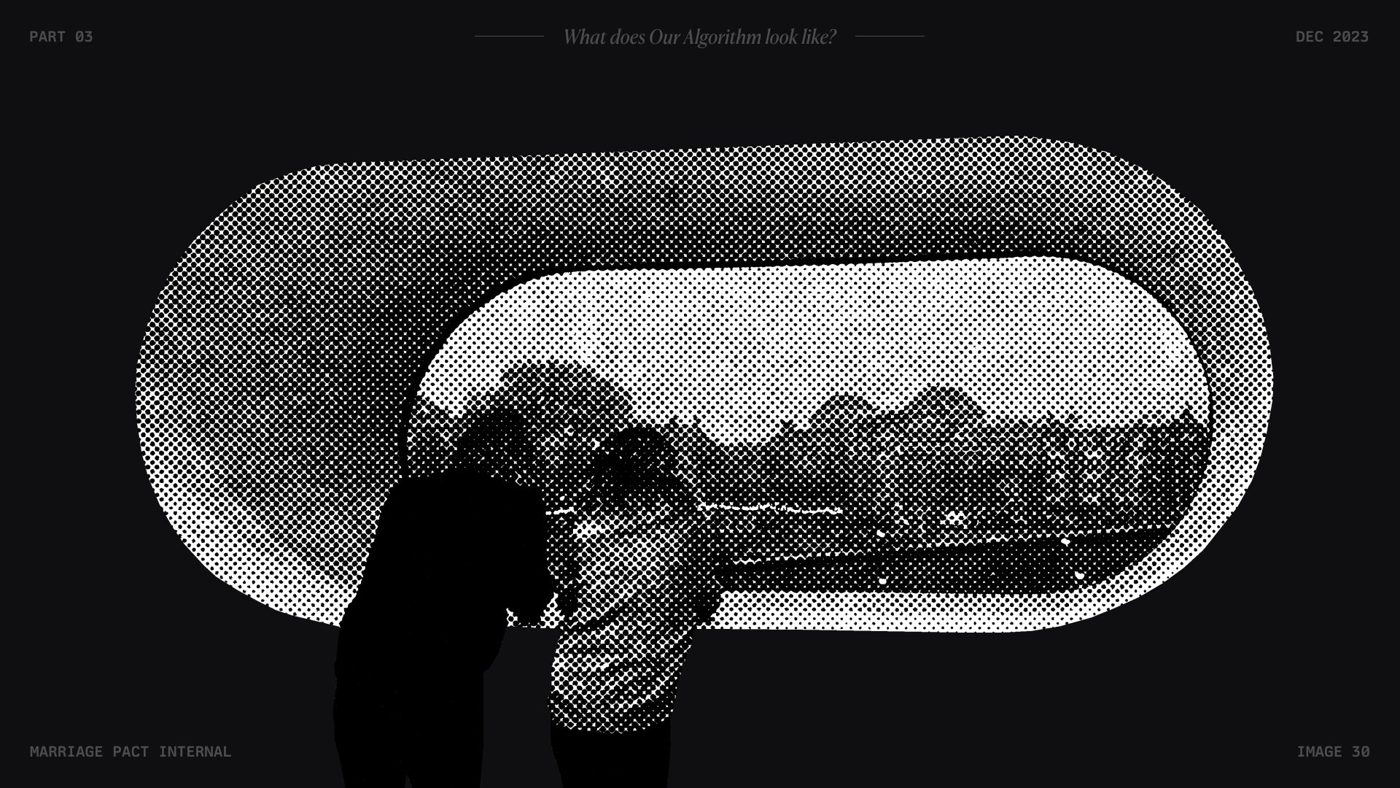
We’ve used patterns, before, that mixed analog & digital…
Halftones offer a very technical (nearly digital) deconstruction of images, and they take on beautiful imperfections of the physical
… but this is, on its own, insufficient to be The Algorithm
Idea 5. Perhaps patterns can create a medium to suggest The Algorithm’s presence
Marriage Pact brand pattern (2022)

Patterns can be subtle—or bold
Idea 6. Movement (and scale) can convey that the algorithm is weighing myriad possibilities
Idea 7. Or we can add bloom to evoke the warm glow of vintage monitors and film
Marriage Pact brand pattern (2023)

Idea 8. We can explicitly call attention to The Algorithm’s presence
UI for Checkmate (2023)
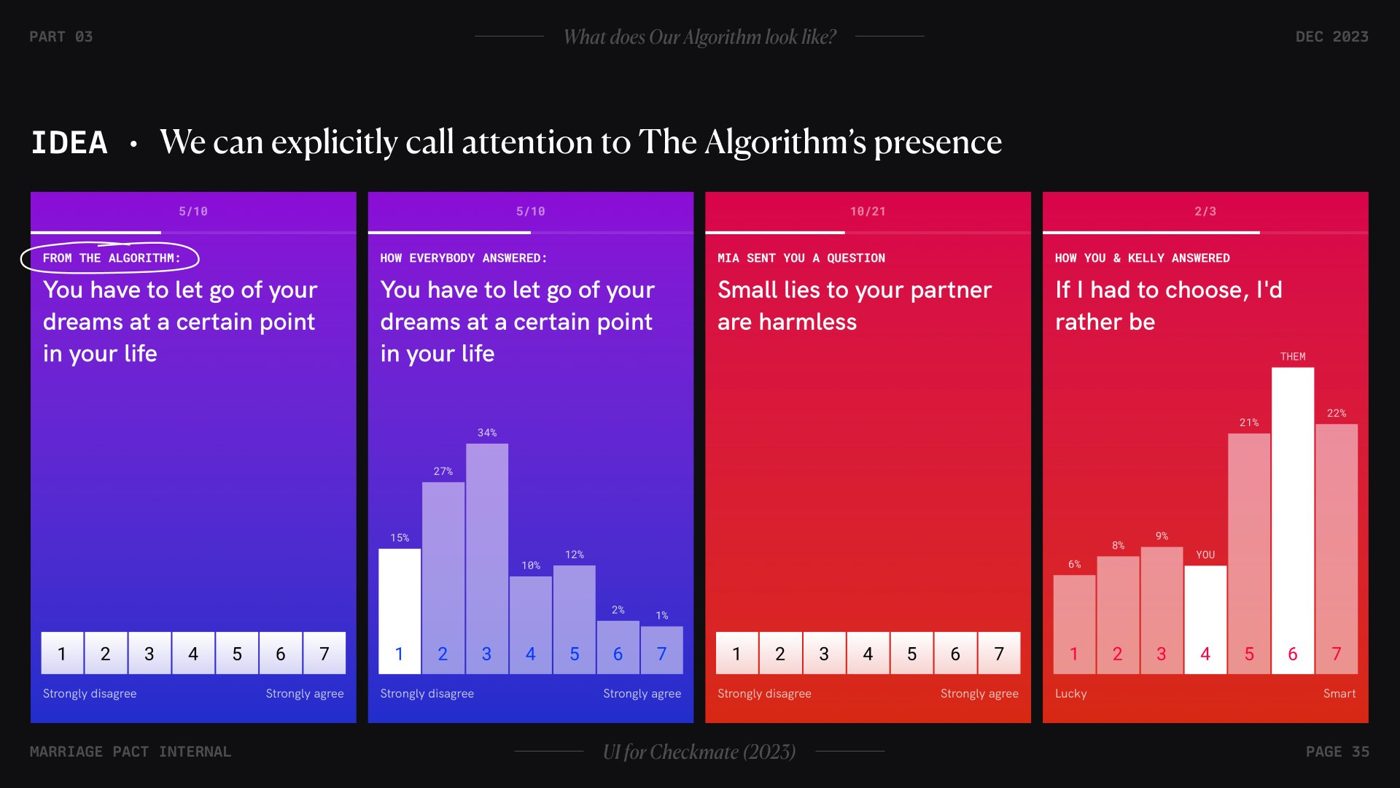
UI for Wavelength (2024)
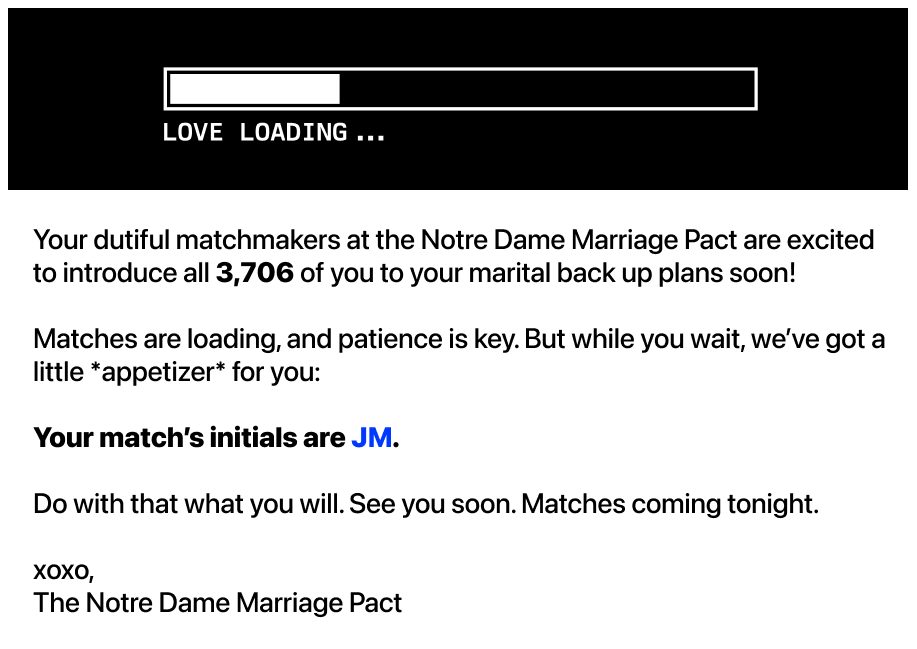
Idea 9. Or we can use loading screens and liminal moments to let users feel its presence
Marriage Pact email (2021)
So, what might The Algorithm look like, and how do I interact with it? Top ideas so far:
Complicated ∩ uncomplicated
Analog ∩ digital
Science fiction ∩ science fact
Weave it into a medium
Use liminal moments
Sometimes, call explicit attention to its presence
What comes next? I don’t know—but here’s what we’re wondering:
What do interactions look like?
How expressive—or neutral—is The Algorithm?
How present or absent does it feel?
How might we use motion expressively?
How might it exude agency, capability, credibility?
And there are many more. Right now, I think there are still more Questions than Answers.
If you want to explore these questions and more, join our team.
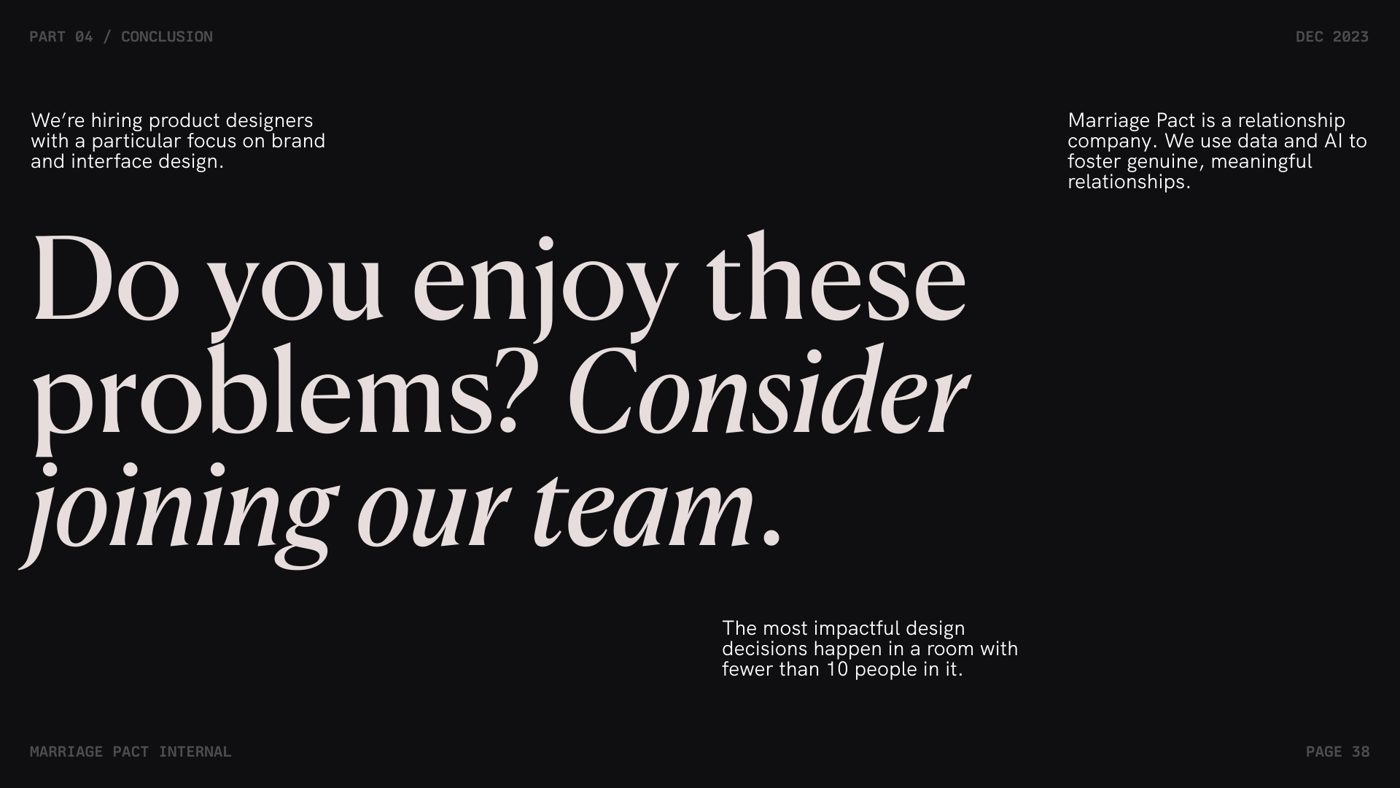
We’re hiring product designers with a particular focus on brand and interface design. The most impactful design decisions happen in a room with fewer than 10 people in it. Email me personally and I’ll respond.
Yente from Fiddler on the Roof (1971)
HAL 9000 from 2001: A Space Odyssey (1968)
The Matrix (1999), work by Animal Logic
Ava from Ex Machina (2014), work by DNEG
Joi from Blade Runner 2049 (2017), work by Territory
The Entity from Mission: Impossible – Dead Reckoning (2023), work by Territory
The sonar machine from The Dark Knight (2008), work by BUF
Batman’s contact lens from The Batman (2022), work by Territory
Severance (2022)
The map projected by R2-D2 in Star Wars: The Force Awakens (2015), work by ILM
Jarvis inside Iron Man’s suit from Iron Man 3 (2013), work by Cantina Creative
Proximity Pairing, Apple (2016)
IBM Watson on Jeopardy! (2011)
The OS from Her (2013) and the AI Pin from Humane (2023)
Suggested posts on Instagram, and the presentation of ChatGPT
The presentation of Siri (2016) and the presentation of the algorithm behind YouTube, or TikTok
IBM Debater (2019), work by Perception
Dune (2021), work by Territory
And a variety of designs from the team at Marriage Pact
Liam McGregor
New York
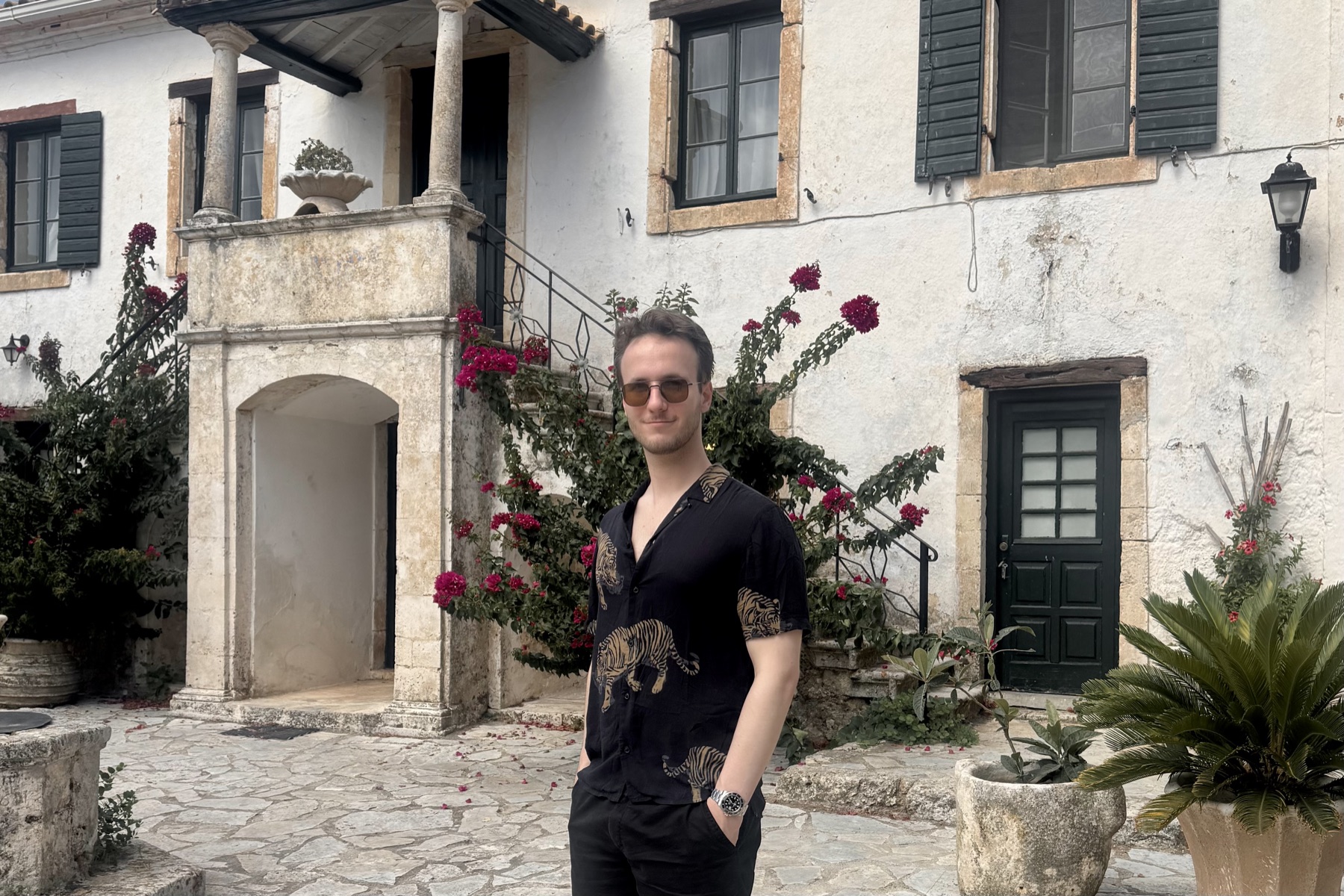
I set radically ambitious goals and I make them happen.
I’m the founder of Marriage Pact, where we use data and AI to create social products that serve meaningful relationships. Before this, I was on the early team at Luminar Technologies, a self-driving car company I helped scale from $80M to $800M. Post-Luminar, I studied computer science and economics at Stanford, and I worked in data science at Microsoft.
I love people. I chose my academic focuses in college based on that: economics enthralled me as the quantitative study of people, sometimes millions of people all at once, and I found computer science gave me the tools and systems to reach those people. The one thing I value most about myself is my curiosity. When working with others, I believe that asking great questions is one of the most challenging (and important) things one can do. When you’re choosing what to work on with someone, I believe it’s important we ask not just what we can build, but also: what should we build?
Professionally, I love tackling ambitious goals with other curious and driven people. I did this at Luminar, where I helped the company land $36 million in venture funding and then dropped out of school to help grow the company. I did this at Microsoft, where I worked in data science by day and in cultural alchemy by night. Today, I’m working on Marriage Pact, creating next-level social experiences.
Outside of these pursuits, I love the arts. I was an internationally competitive classical guitarist growing up and I made award-winning music videos with my a cappella group in college. Today, I love musical theater, photography, and graphic design. I’m also a closet urbanist; I love cities, urban planning, and architecture.